

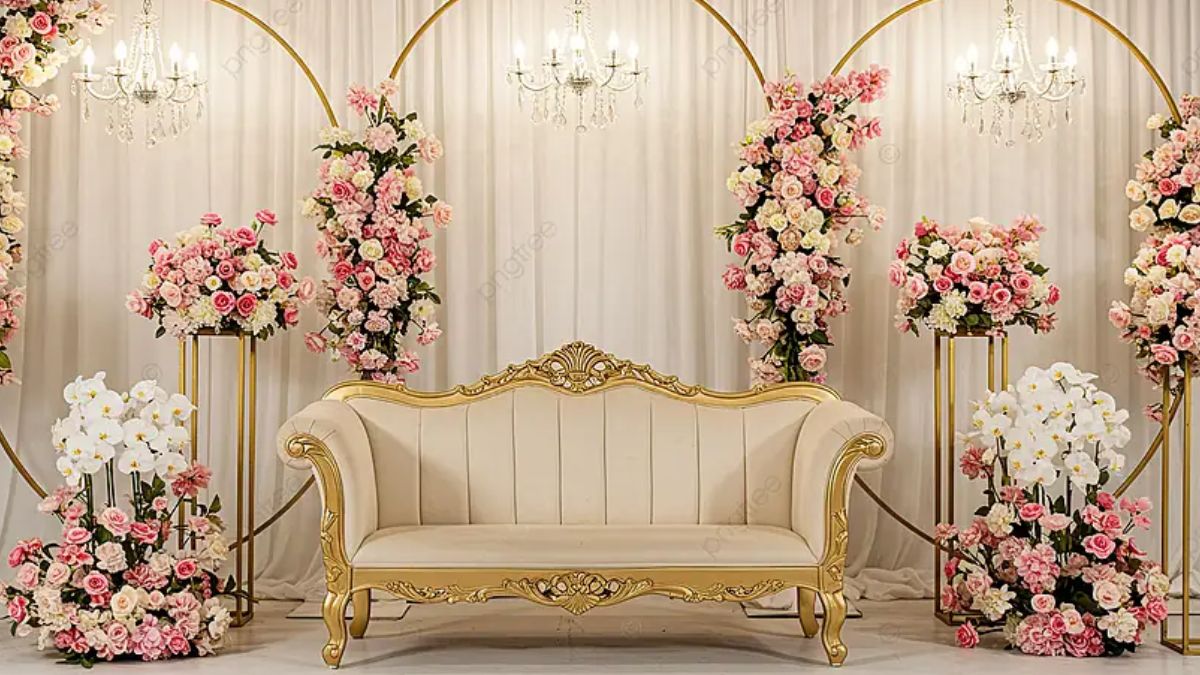
Weddings have always been a reflection of personal style, cultural values, and evolving trends. Over the years, floral décor has played a central role in shaping the overall aesthetic of a wedding, often becoming one of the most talked-about elements of the celebration. Traditionally, couples have leaned toward grand, elaborate floral installations—think massive arches, ceiling arrangements, and extravagant centerpieces. However, as we step into 2026, a noticeable shift is taking place. Florists and designers are embracing a new concept known as “intentional design,” a trend that is gradually replacing large, expensive installations with more thoughtful and meaningful floral arrangements.
What Is “Intentional Design” in Wedding Florals?
At its core, intentional design is about purpose and meaning. Instead of focusing on quantity and scale, this approach emphasizes carefully curated floral elements that serve a specific aesthetic or emotional purpose. Every arrangement, bouquet, and decorative detail is chosen with intention, ensuring that it aligns with the couple’s vision and the overall theme of the wedding.
This trend moves away from the idea that bigger is always better. Instead, it celebrates simplicity, elegance, and personalization. By focusing on quality over quantity, couples can create a visually stunning atmosphere without overwhelming the space or their budget.
Why Couples Are Moving Away from Large Installations
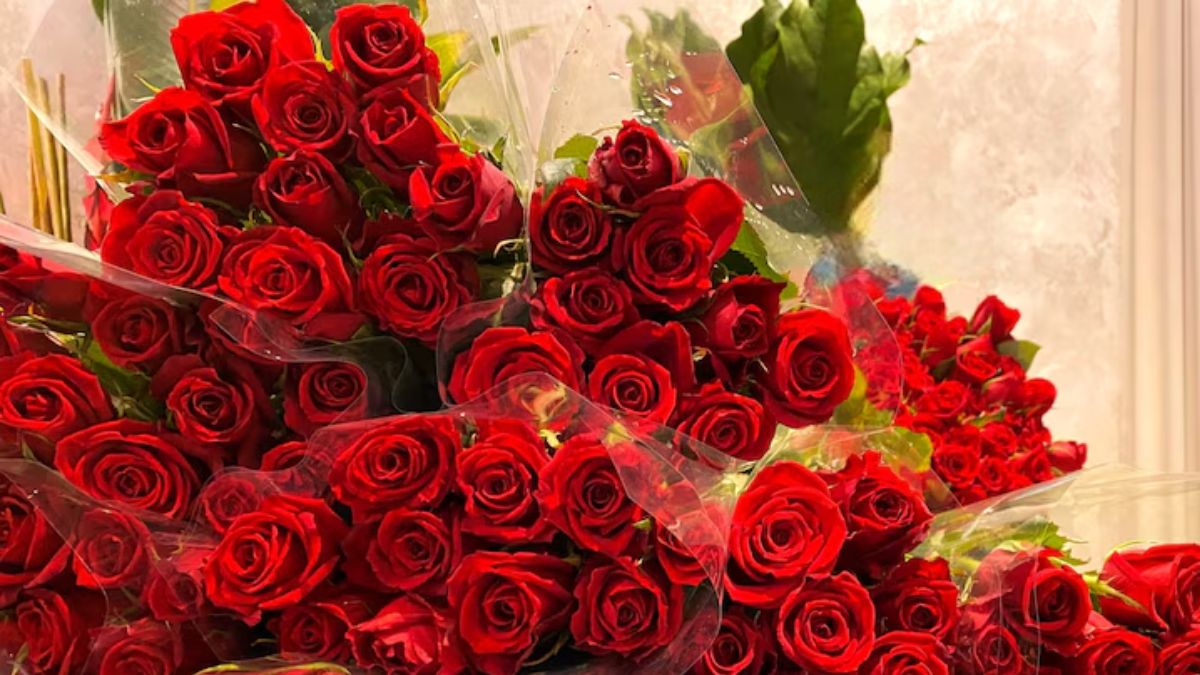
There are several reasons why large floral installations are falling out of favor. One of the most significant factors is cost. Grand floral displays can be incredibly expensive, often taking up a substantial portion of the wedding budget. As couples become more mindful of their spending, they are seeking alternatives that offer both beauty and value.
Another reason is practicality. Large installations require extensive setup and maintenance, which can add stress to an already busy wedding day. In contrast, intentional design focuses on manageable arrangements that are easier to execute while still delivering a high-end look.
Additionally, modern couples are increasingly drawn to authenticity. They want their wedding to feel personal and meaningful rather than simply following traditional expectations. Intentional design allows them to tell their unique story through carefully chosen floral elements.
The Role of Minimalism and Sustainability
The rise of intentional design is closely linked to broader lifestyle trends such as minimalism and sustainability. Many couples today are prioritizing eco-friendly choices and reducing waste wherever possible. Large floral installations, while visually impressive, often result in significant waste once the event is over.
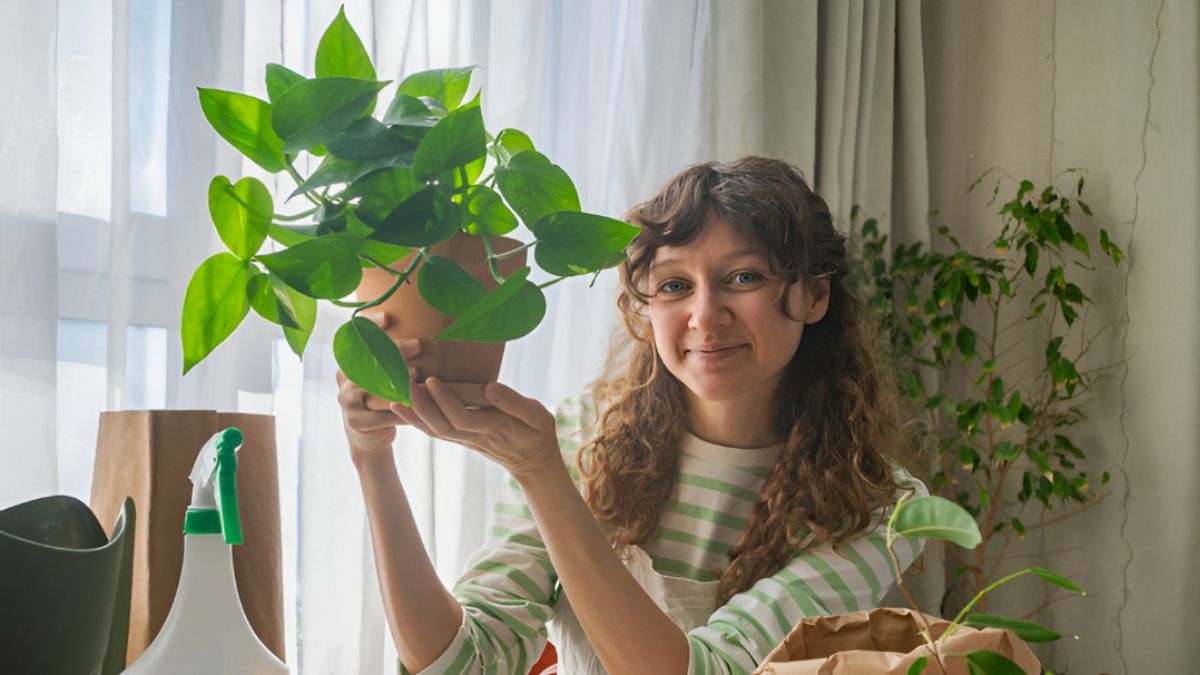
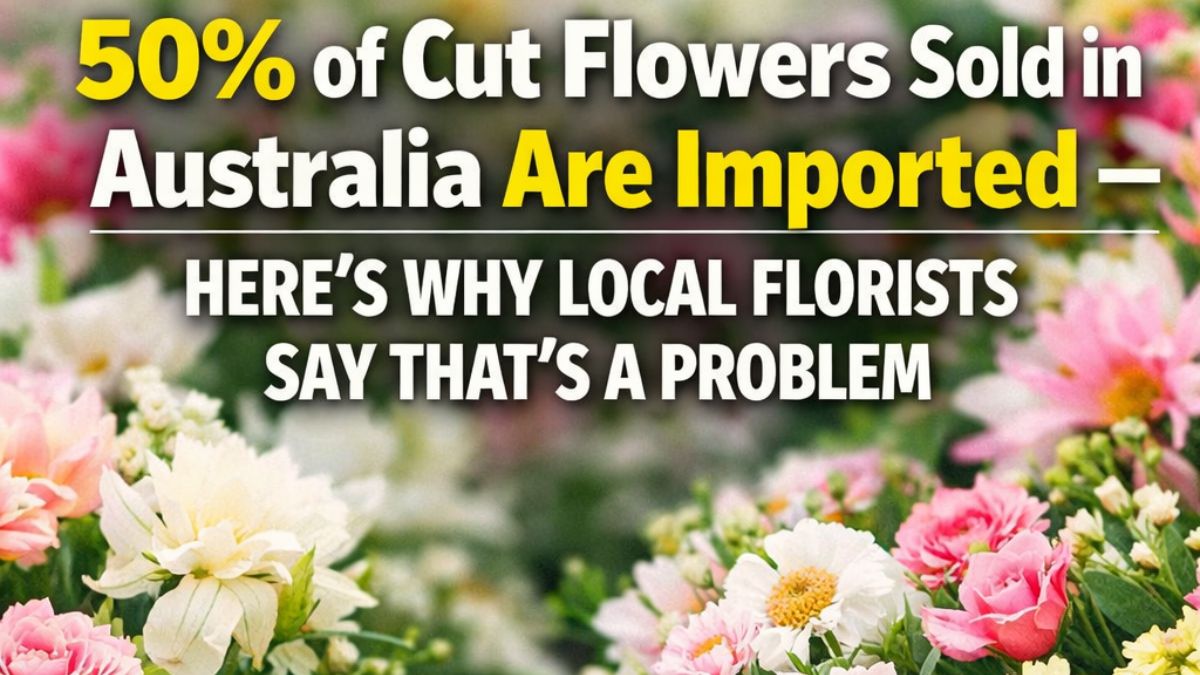
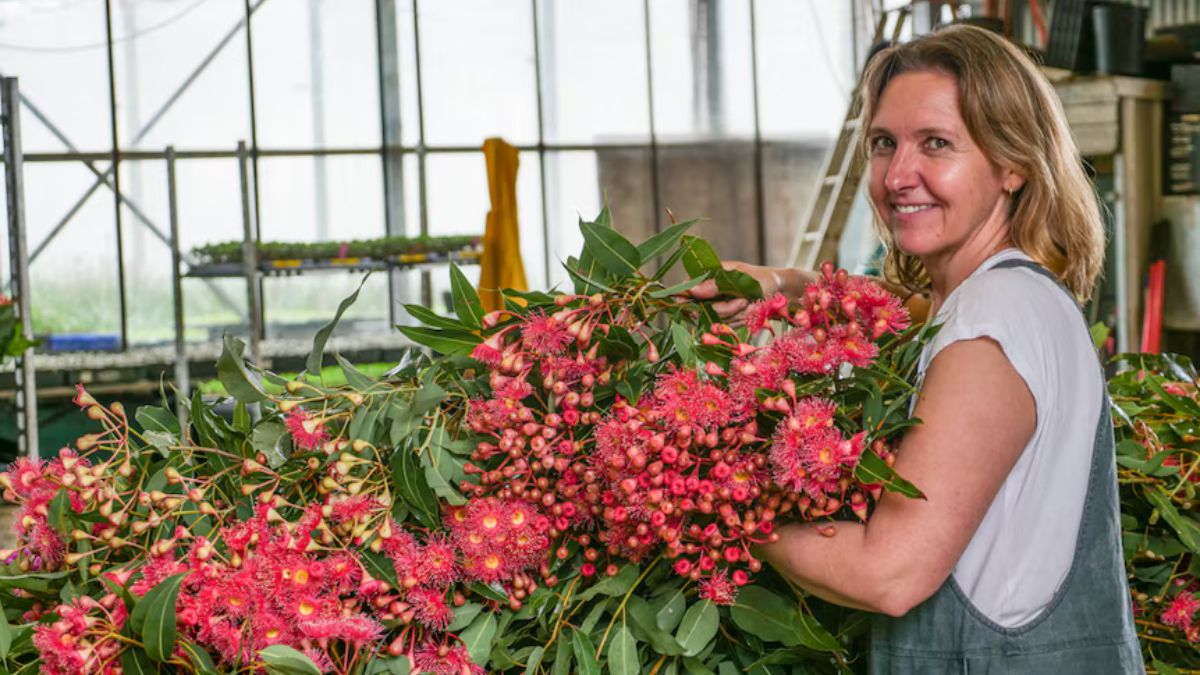
Intentional design addresses this concern by encouraging the use of fewer, more impactful arrangements. Florists are also incorporating locally sourced flowers, reusable décor elements, and even potted plants that guests can take home. This approach not only reduces environmental impact but also adds a thoughtful touch to the celebration.
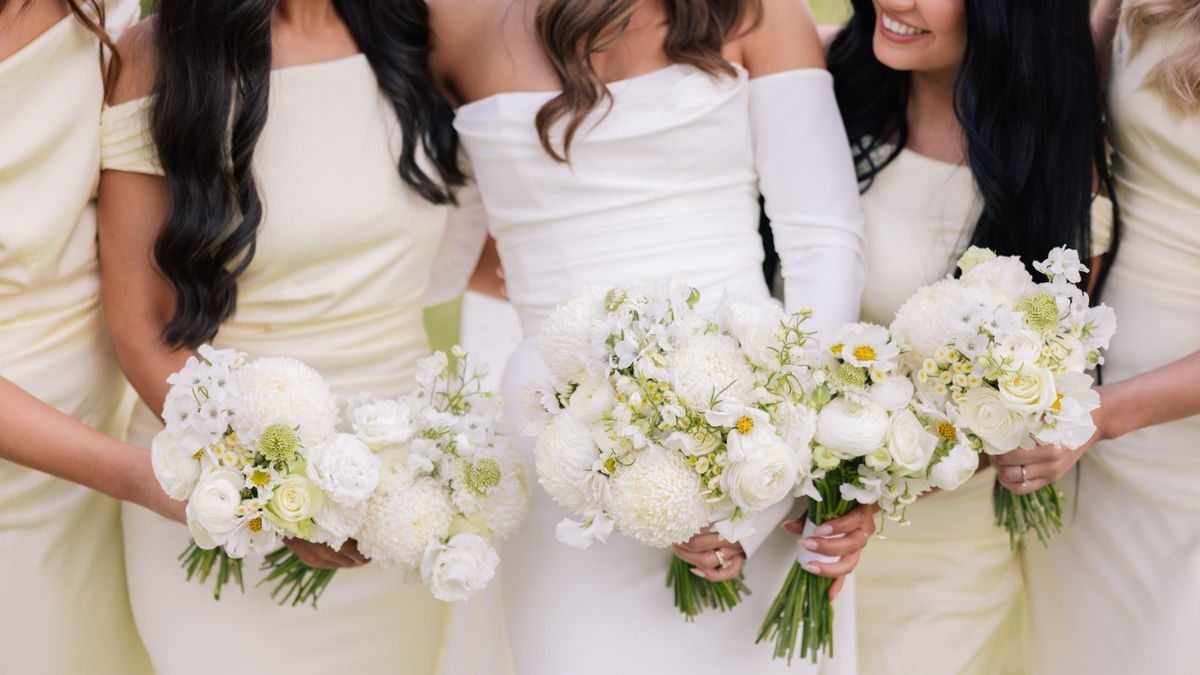
Minimalism plays a key role as well. Clean lines, subtle color palettes, and understated elegance are becoming increasingly popular. By focusing on simplicity, couples can create a timeless aesthetic that feels both modern and sophisticated.
How Florists Are Adapting to the Trend
Florists are at the forefront of this transformation, redefining how floral décor is conceptualized and executed. Instead of designing large installations, they are focusing on creating focal points that draw attention without overwhelming the space.
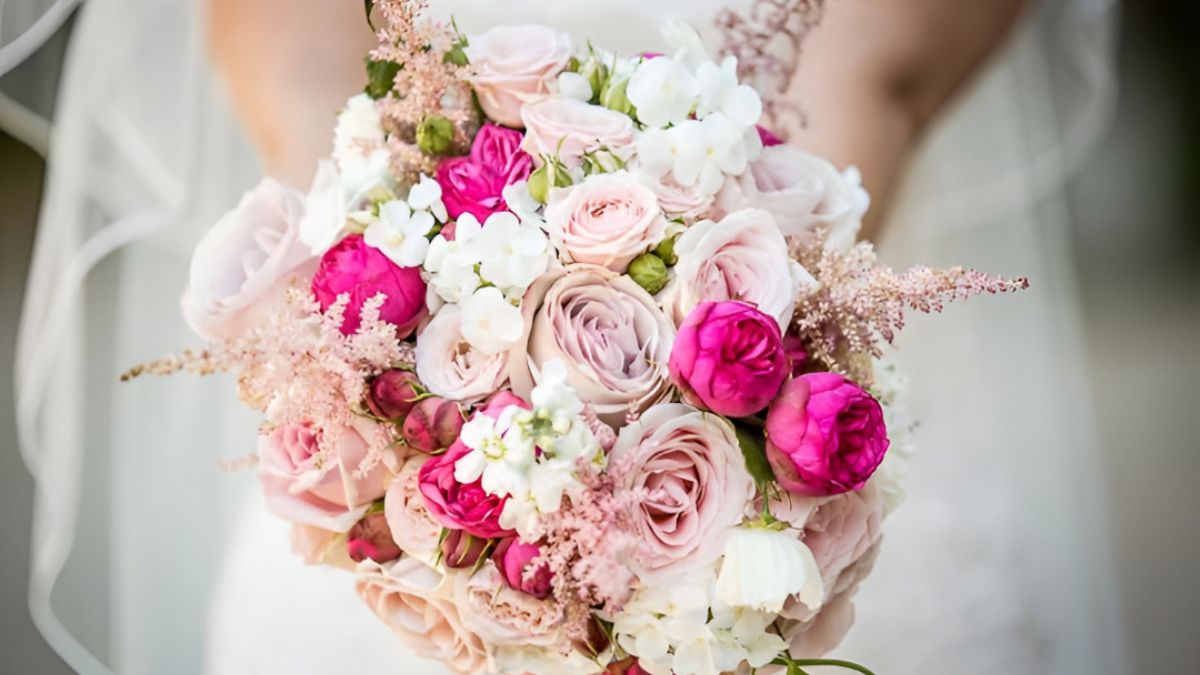
For example, a single statement arrangement at the ceremony altar or a beautifully styled tablescape can have a greater impact than multiple oversized installations. Florists are also experimenting with unique textures, seasonal blooms, and creative placements to add depth and interest to their designs.
Collaboration has become more important than ever. Florists are working closely with couples to understand their preferences, stories, and inspirations. This collaborative process ensures that every detail feels intentional and meaningful.
Budget-Friendly Yet Luxurious
One of the most appealing aspects of intentional design is its ability to strike a balance between affordability and luxury. By focusing on fewer elements, couples can invest in higher-quality flowers and more intricate designs without exceeding their budget.
This approach allows for greater creativity. Instead of spreading the budget thin across multiple large installations, couples can allocate resources to key areas that matter most. The result is a wedding that feels curated and luxurious, even with a more modest overall spend.
Creating Memorable Guest Experiences
Intentional design is not just about aesthetics—it also enhances the overall guest experience. Thoughtfully placed floral arrangements can create a more intimate and inviting atmosphere, allowing guests to feel connected to the space and the celebration.
For instance, personalized floral details such as handwritten notes attached to bouquets or small arrangements at each guest’s seat can make the event feel more special. These small touches often leave a lasting impression, proving that meaningful design can be more impactful than sheer scale.
Blending Tradition with Modern Trends
While intentional design represents a modern approach, it does not completely discard tradition. Instead, it finds a way to blend classic elements with contemporary sensibilities. For example, traditional floral arches can be reimagined in a more minimalist style, using fewer flowers but maintaining their symbolic significance.
This balance allows couples to honor cultural or familial traditions while still embracing a fresh and modern aesthetic. It’s a flexible approach that can be adapted to suit a wide range of wedding styles and preferences.
Tips for Embracing Intentional Design
For couples considering this trend, the key is to start with a clear vision. Think about the mood and atmosphere you want to create, and choose floral elements that support that vision. Focus on a few key areas, such as the ceremony backdrop, reception tables, or entrance, and invest in making those spaces truly special.
Working with an experienced florist is also essential. They can provide valuable insights and help you translate your ideas into a cohesive design. Don’t be afraid to prioritize meaning over tradition—choose flowers and arrangements that resonate with you personally.
The Future of Wedding Floral Design
As we look ahead, it’s clear that intentional design is more than just a passing trend. It reflects a broader shift in how people approach weddings, focusing on authenticity, sustainability, and meaningful experiences.
This approach is likely to continue evolving, with new innovations and creative ideas shaping the future of wedding décor. However, the core principle will remain the same: creating beauty with purpose.
Final Thoughts
The 2026 wedding flower trend of intentional design marks a significant departure from the era of large, costly installations. By prioritizing meaning, simplicity, and sustainability, couples can create weddings that are not only visually stunning but also deeply personal.
In the end, it’s not about how much you spend or how big your decorations are—it’s about the story you tell and the memories you create. Intentional design captures this essence perfectly, offering a fresh and thoughtful approach to wedding floral décor that resonates with modern couples.
FAQs
Q1. What is “intentional design” in wedding flowers?
It focuses on meaningful, minimal, and carefully chosen floral arrangements.
Q2. Why are couples avoiding large floral installations?
Due to high costs, waste, and preference for simplicity.
Q3. Is intentional design more budget-friendly?
Yes, it reduces costs while maintaining a stylish look.
Q4. Does this trend support sustainability?
Yes, it promotes less waste and eco-friendly floral choices.
Q5. Will this trend continue in the future?
Yes, it aligns with modern, minimalist, and personalized wedding styles.





Leave a Reply