

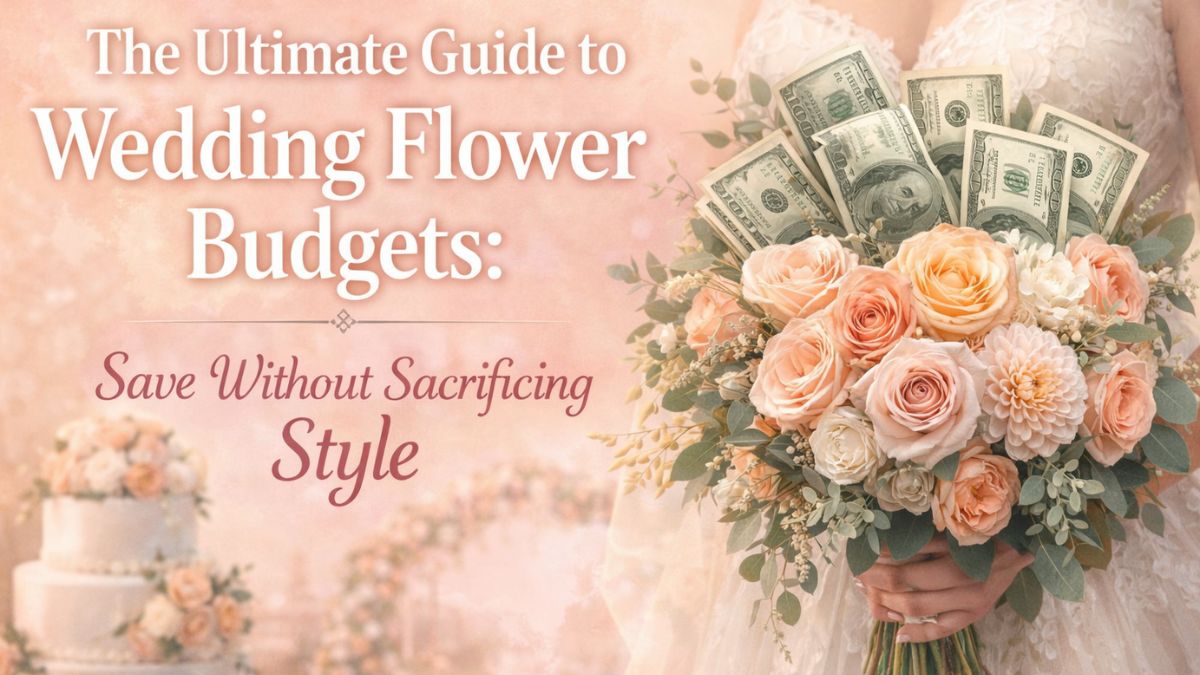
Weddings are often described as one of the most magical days in a person’s life, and flowers play a powerful role in creating that magic. From the bridal bouquet to the ceremony arch and reception centerpieces, floral arrangements bring romance, elegance, and personality into every corner of the celebration. However, as breathtaking as they are, wedding flowers can also become one of the most unexpectedly expensive elements of the big day.
Many couples find themselves caught between their dream aesthetic and their financial reality. The good news is that you don’t have to choose one over the other. With thoughtful planning, creative choices, and a clear understanding of your priorities, it is absolutely possible to design stunning floral arrangements without overspending. This guide will walk you through how to manage your wedding flower budget wisely while still achieving a stylish and unforgettable look.
Understanding the True Cost of Wedding Flowers
Before you can create a budget, it is important to understand what you are actually paying for. Wedding flowers are not just about the blooms themselves. The cost often includes the florist’s expertise, labor, transportation, setup, and sometimes even breakdown after the event. Seasonal availability, flower types, and design complexity also play a significant role in pricing.
Luxury flowers like peonies, orchids, and garden roses tend to cost more, especially if they are out of season or need to be imported. On the other hand, simpler blooms like carnations, daisies, or chrysanthemums can be more affordable while still looking beautiful when arranged thoughtfully. The size of your wedding and the number of floral elements you choose will also directly impact your overall expenses.
Having a clear picture of these factors helps you avoid surprises and allows you to make informed decisions that align with your budget.
Setting a Realistic Floral Budget
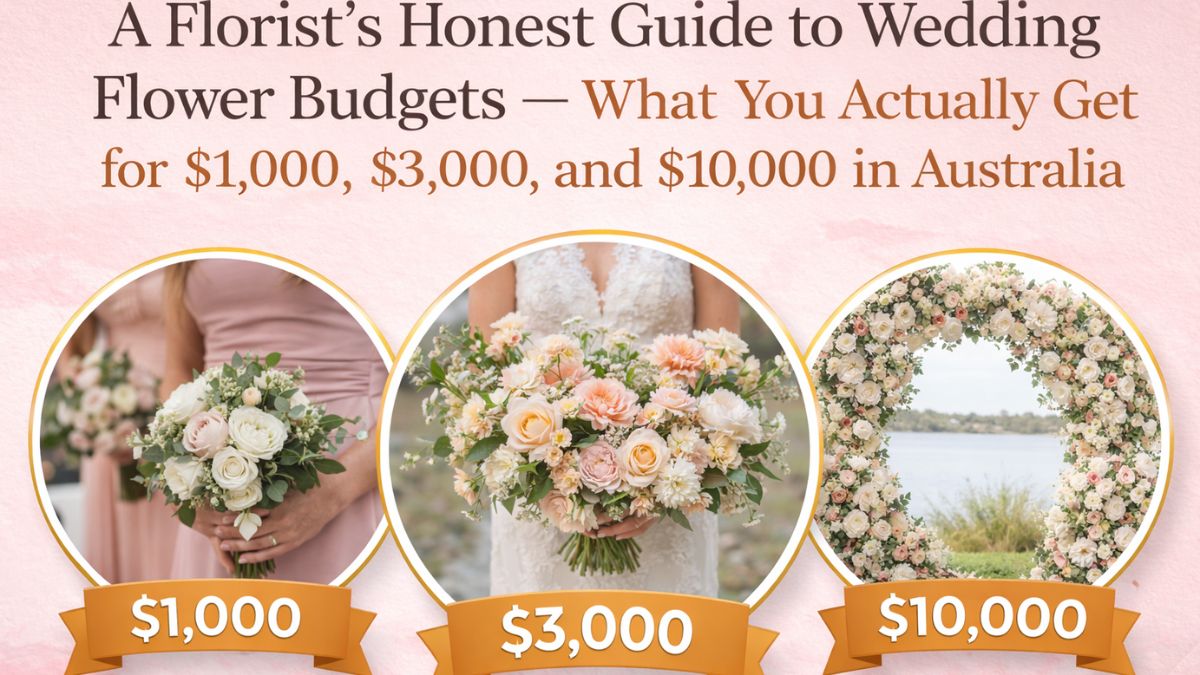
One of the most important steps in wedding planning is deciding how much of your overall budget you want to allocate to flowers. Typically, couples spend around 8% to 15% of their total wedding budget on floral arrangements. However, this percentage can vary depending on personal preferences and priorities.
If flowers are a major part of your vision, you might choose to allocate more funds in this area and reduce spending elsewhere. On the other hand, if you prefer a minimalist or modern aesthetic, you can keep floral expenses lower and still achieve a sophisticated look.
The key is to be honest about what matters most to you. Once you set a realistic budget, it becomes much easier to make decisions without feeling overwhelmed or guilty.
Prioritizing What Truly Matters
Not all floral elements carry the same emotional or visual impact. Some arrangements, like the bridal bouquet or ceremony backdrop, tend to be more prominent and meaningful, while others may go largely unnoticed by guests.
Instead of spreading your budget thin across every possible detail, focus on the areas that will have the greatest effect. Investing in a stunning bridal bouquet or a beautifully designed ceremony arch can create a lasting impression and elevate the entire event. Meanwhile, you can simplify or even skip less important elements like aisle markers or excessive table arrangements.
By prioritizing strategically, you can achieve a luxurious feel without unnecessary spending.
Choosing Seasonal and Local Flowers
One of the easiest ways to save money on wedding flowers is by choosing blooms that are in season and locally available. Seasonal flowers are more abundant, which makes them more affordable and often fresher and more vibrant.
For example, spring weddings can take advantage of tulips, daffodils, and peonies, while autumn celebrations can feature rich tones with marigolds, dahlias, and chrysanthemums. Local flowers also reduce transportation costs and support nearby growers, making your choices more sustainable as well.
Trusting your florist’s recommendations for seasonal options can open up creative possibilities you may not have considered, all while staying within budget.
Embracing Simplicity and Minimalism
When it comes to wedding flowers, more does not always mean better. In fact, some of the most elegant weddings are those that embrace simplicity and intentional design. Minimalist floral arrangements can look incredibly sophisticated when paired with the right color palette and venue.
For example, a single statement bloom in a sleek vase can create a modern and refined look. Greenery, such as eucalyptus or ferns, can also be used to add texture and volume without the high cost of flowers. This approach not only saves money but also allows each element to stand out more clearly.
Simplicity encourages creativity and often results in a more timeless aesthetic.
Repurposing Flowers Throughout the Day
Another smart way to maximize your flower budget is by repurposing arrangements across different parts of your wedding. Ceremony flowers can easily be moved to the reception space, giving them a second life without additional cost.
For instance, aisle decorations can be reused as table centerpieces, and the ceremony arch can serve as a stunning backdrop for the head table or photo area. Bridesmaid bouquets can also double as decor during the reception.
This approach requires some coordination, but the savings can be significant. It also ensures that your flowers are enjoyed throughout the entire event rather than being limited to a single moment.
Considering DIY Options Carefully
Do-it-yourself wedding flowers can be a great way to cut costs, but they are not always the best choice for everyone. While DIY arrangements can save money on labor, they require time, effort, and a certain level of skill.
If you enjoy creative projects and have a reliable support system, DIY can be a rewarding experience. However, it is important to consider the logistics, especially when it comes to storage, transportation, and setup on the wedding day.
For those who prefer a stress-free experience, working with a professional florist may be worth the investment. A balanced approach, such as DIY centerpieces while outsourcing bouquets, can offer the best of both worlds.
Exploring Alternative Floral Options
Traditional flowers are not the only way to create beautiful wedding decor. Many couples are now exploring alternative options that can be just as stunning and often more budget-friendly.
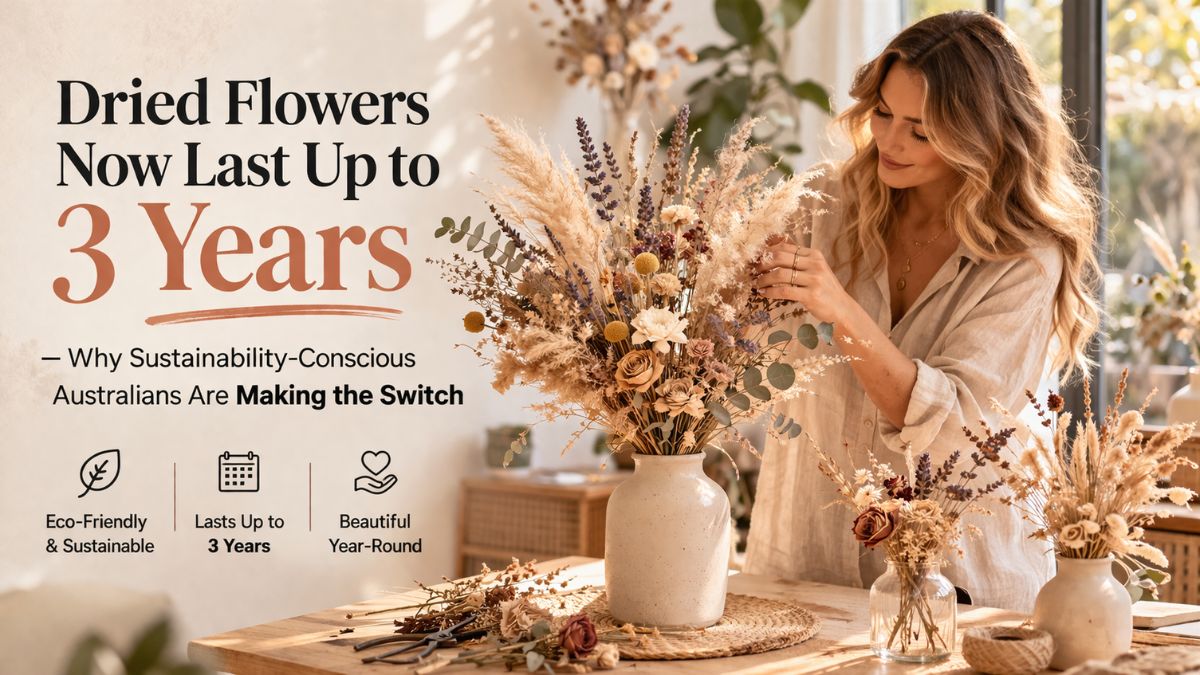
Dried flowers, silk arrangements, and even paper flowers have become increasingly popular. These options can be prepared well in advance and may even serve as keepsakes after the wedding. Additionally, incorporating non-floral elements like candles, lanterns, or decorative fabrics can enhance the overall aesthetic without relying solely on flowers.
Thinking outside the box allows you to create a unique and personalized celebration that reflects your style.
Communicating Clearly with Your Florist
Your florist is your partner in bringing your vision to life, so clear communication is essential. Be honest about your budget from the beginning and share your priorities and preferences openly. A skilled florist can suggest creative solutions and alternatives that align with your goals.
Providing visual references, such as inspiration photos, can help ensure that you and your florist are on the same page. At the same time, being flexible and open to suggestions can lead to better results and cost savings.
A good working relationship with your florist can make a significant difference in both the outcome and your overall experience.
Avoiding Common Budget Mistakes
One of the most common mistakes couples make is underestimating the cost of wedding flowers or failing to plan ahead. Last-minute decisions can lead to higher expenses and limited options.
Another mistake is trying to replicate high-end designs without considering the cost implications. Social media can be inspiring, but it is important to adapt ideas to fit your budget rather than copying them exactly.
Being mindful of these pitfalls can help you stay on track and avoid unnecessary stress.
Creating a Cohesive Floral Vision
A well-designed wedding is one where all elements work together harmoniously. Your flowers should complement your venue, color scheme, and overall theme. Creating a cohesive vision does not require a large budget; it simply requires thoughtful planning and attention to detail.
Choosing a consistent color palette and repeating certain elements throughout your arrangements can create a sense of unity. Even with fewer flowers, a cohesive design can make your wedding feel polished and intentional.
This approach ensures that every detail contributes to the overall atmosphere without the need for excessive spending.
Conclusion: Style and Savings Can Coexist
Planning your wedding flowers on a budget does not mean sacrificing beauty or elegance. With the right strategies, you can create stunning arrangements that reflect your style while staying within your financial limits.
By understanding costs, setting clear priorities, and embracing creativity, you can transform your vision into reality without unnecessary stress. Remember, the true essence of your wedding lies in the love and joy shared with your loved ones, not in the price tag of your decorations.
Flowers are a beautiful addition to your celebration, but they are just one part of a much larger story. When approached thoughtfully, they can enhance your wedding day in a way that feels both meaningful and financially responsible.
FAQs
1. How much should I budget for wedding flowers?
Most couples spend around 8% to 15% of their total wedding budget on flowers, depending on style and priorities.
2. What is the cheapest way to do wedding flowers?
Choosing seasonal flowers, using greenery, and repurposing arrangements can significantly reduce costs.
3. Can I have a stylish wedding with a low flower budget?
Yes, with smart planning, minimal designs, and creative alternatives, you can achieve an elegant look without overspending.









Leave a Reply