

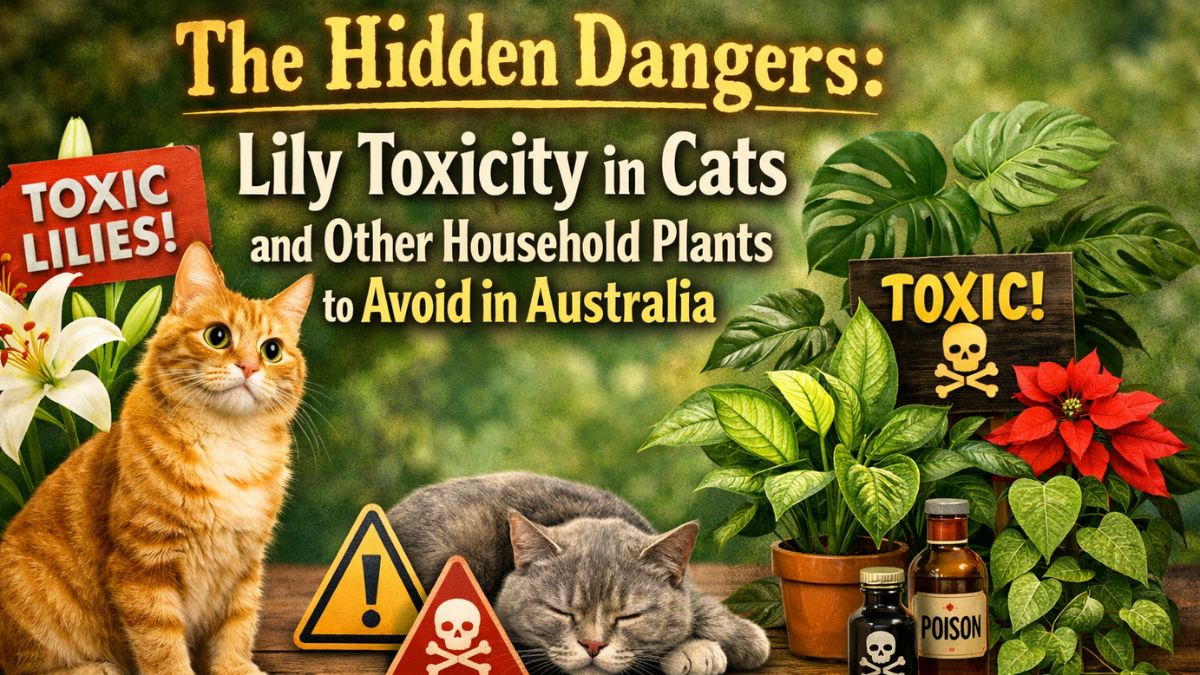
Many pet owners love decorating their homes with beautiful flowers, and lilies often top the list for their elegance and fragrance. However, what most people don’t realize is that lilies are extremely toxic to cats. Even small exposure—such as brushing against the pollen, drinking water from a vase, or chewing on a leaf—can lead to severe health complications. In cats, lilies affect the kidneys rapidly, often causing acute kidney failure within a short period of time. This makes them one of the most dangerous household plants for feline companions.
How Lily Poisoning Happens
Cats are naturally curious creatures. They explore their surroundings by sniffing, licking, and sometimes nibbling on objects. When a lily is present in the home, even indirect contact can be harmful. Pollen can stick to a cat’s fur, and when the cat grooms itself, it ingests the toxin. Unlike some other plant-related poisonings that may cause mild symptoms, lily toxicity can escalate quickly. Within hours, symptoms such as vomiting, lethargy, and loss of appetite may appear, followed by serious kidney damage if left untreated.
Early Signs You Should Never Ignore
Recognizing the early warning signs of poisoning can save your cat’s life. Initial symptoms often include drooling, vomiting, and decreased activity. As the condition worsens, cats may show signs of dehydration, confusion, and changes in urination patterns. Many pet owners mistake these symptoms for minor issues, which delays treatment. Immediate veterinary care is critical because early intervention significantly increases the chances of recovery.
Other Toxic Household Plants to Watch Out For
While lilies are among the most dangerous, they are not the only plants that pose a threat to cats in Australian households. Common indoor plants like peace lilies, aloe vera, and devil’s ivy can also be harmful if ingested. Outdoor gardens may include plants such as oleander or sago palm, which are equally toxic. The challenge is that many of these plants are widely available and often considered harmless decorative additions. Pet owners must be proactive in identifying which plants are safe and which should be avoided.
Why Australia’s Plant Variety Increases the Risk
Australia’s unique climate supports a wide variety of native and exotic plants, many of which can be toxic to pets. This diversity makes it even more important for pet owners to stay informed. Plants that thrive in Australian homes and gardens may not be commonly found in other parts of the world, increasing the chances of accidental exposure. Additionally, seasonal celebrations and floral arrangements often include lilies, raising the risk during holidays and special occasions.
Preventing Plant-Related Poisoning at Home
Prevention is always better than cure. The safest approach is to avoid bringing toxic plants into a home with cats. If you already have such plants, placing them out of reach may not be enough, as cats are excellent climbers. Opting for pet-safe alternatives like spider plants or certain ferns can help maintain a green and lively home without risking your pet’s health. It is also important to educate family members and guests about the dangers of bringing flowers like lilies into the house.
What to Do in an Emergency
If you suspect your cat has been exposed to a toxic plant, immediate action is essential. Do not wait for symptoms to worsen. Contact a veterinarian right away and provide as much information as possible about the plant involved. Quick treatment can make the difference between recovery and severe complications. Even if you are unsure, it is always better to act on suspicion rather than delay care.
Creating a Pet-Safe Environment
Building a safe environment for your cat goes beyond removing harmful plants. It involves being mindful of everything your pet can access. Regularly checking your home and garden for potential hazards can prevent accidents. Many pet owners are unaware of the hidden dangers around them until it is too late. Taking a few simple precautions can ensure that your home remains a safe and happy space for your furry companion.
Conclusion
Lilies may be beautiful, but for cats, they are incredibly dangerous. Along with other toxic household plants, they pose a serious risk that every pet owner should understand. Awareness, prevention, and quick action are key to protecting your cat from life-threatening situations. By choosing pet-safe plants and staying informed, you can enjoy a vibrant home while ensuring your cat stays healthy and safe.
FAQs
Q1. Why are lilies dangerous for cats?
Lilies can cause severe kidney failure in cats, even in small amounts.
Q2. What are symptoms of lily poisoning in cats?
Vomiting, lethargy, loss of appetite, and increased thirst are common signs.
Q3. Are all lilies toxic to cats?
Most true lilies, like Easter and Tiger lilies, are highly toxic to cats.














Leave a Reply