

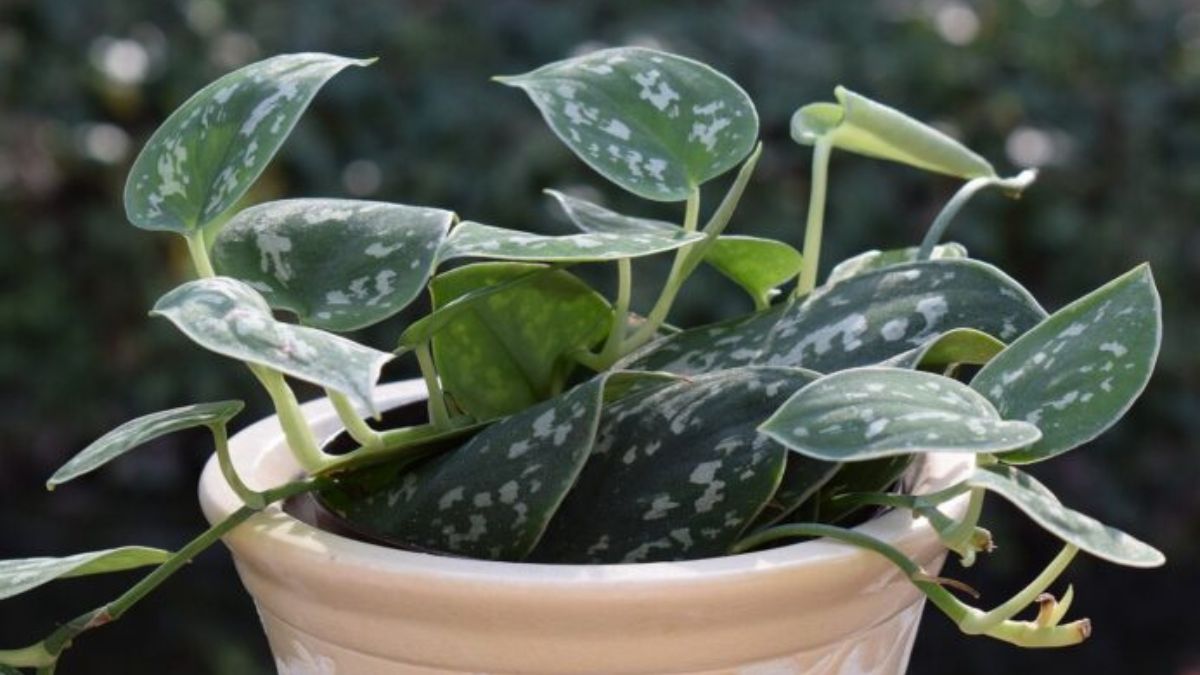
For decades, indoor plants have been celebrated as natural air purifiers, largely due to a widely circulated study conducted by NASA in the late 1980s. According to popular belief, placing a few houseplants around your home could significantly improve indoor air quality by removing toxins and increasing oxygen levels. This idea quickly gained traction, becoming a staple in lifestyle blogs, home décor advice, and even wellness discussions. However, as science has progressed and further research has been conducted, experts have begun to challenge this claim. While indoor plants do offer several benefits, their role in purifying air may not be as powerful as once thought.
Understanding what plants actually do—and what they don’t—can help you make better decisions about incorporating them into your home environment. The truth is more nuanced but no less interesting.
The Origins of the NASA Plant Study
The original NASA study, often cited in discussions about indoor plants and air quality, was conducted to explore ways to improve air conditions in sealed environments like space stations. Researchers tested certain plants in controlled chambers to see how effectively they could remove volatile organic compounds (VOCs) such as benzene and formaldehyde from the air.

The results showed that some plants were indeed capable of reducing these pollutants under laboratory conditions. However, the key detail that is often overlooked is that these experiments were conducted in small, sealed spaces with a high concentration of pollutants and without the kind of ventilation found in typical homes.
Over time, the findings of this study were simplified and exaggerated, leading many people to believe that a few indoor plants could significantly clean the air in everyday living spaces.
Why Modern Science Questions the Myth
In recent years, scientists have revisited the idea that indoor plants can meaningfully improve air quality in homes. More comprehensive studies have found that while plants can absorb certain pollutants, the rate at which they do so is extremely slow in real-world conditions.

To achieve the same level of air purification observed in the NASA study, you would need an impractically large number of plants—far more than most people would ever keep in their homes. In fact, some estimates suggest you would need dozens or even hundreds of plants in a single room to make a noticeable difference in air quality.
Additionally, modern homes are not sealed environments. They have ventilation systems, open windows, and air circulation, all of which play a much larger role in maintaining air quality than plants alone.
What Indoor Plants Actually Do for Your Home
Although indoor plants may not be powerful air purifiers, they still offer a range of valuable benefits that contribute to a healthier and more pleasant living environment. One of their most noticeable effects is their ability to improve the overall atmosphere of a space.
Plants add a sense of freshness and vitality to any room. Their presence can make a home feel more inviting and calming, which can have a positive impact on mental well-being. Studies have shown that being around greenery can reduce stress, improve mood, and even enhance concentration and productivity.
In addition to their psychological benefits, plants can also help regulate humidity levels. Through a process called transpiration, plants release moisture into the air, which can be beneficial in dry indoor environments. This can help reduce issues such as dry skin, irritated eyes, and respiratory discomfort.
The Role of Plants in Oxygen Production
Another common belief is that indoor plants significantly increase oxygen levels. While it is true that plants produce oxygen through photosynthesis, the amount they generate indoors is relatively small. In a typical home setting, the oxygen contribution from houseplants is minimal compared to the overall air volume.
That said, this doesn’t mean plants are useless in this regard. They still participate in the natural cycle of oxygen and carbon dioxide exchange, but their impact is subtle rather than transformative. It’s important to view this benefit as a small bonus rather than a primary reason to keep plants.
Aesthetic and Emotional Benefits of Indoor Plants
One of the strongest arguments for keeping indoor plants has little to do with air quality and everything to do with how they make us feel. Plants have a unique ability to enhance the visual appeal of a space. They add color, texture, and life, making interiors more dynamic and interesting.
Beyond aesthetics, plants can also create a sense of connection to nature, which is especially valuable in urban environments where access to green spaces may be limited. This connection can promote relaxation and a sense of well-being, making your home a more comfortable place to spend time.
Caring for plants can also be a rewarding activity. It encourages mindfulness and provides a sense of accomplishment, which can be beneficial for mental health.
Practical Ways to Improve Indoor Air Quality
If your primary goal is to improve air quality, there are more effective methods than relying solely on plants. Proper ventilation is one of the most important factors. Opening windows regularly and ensuring good airflow can significantly reduce indoor pollutants.
Using air purifiers with high-efficiency filters is another effective solution. These devices are specifically designed to remove particles and pollutants from the air, offering a level of performance that plants cannot match.
Reducing sources of pollution is equally important. This includes minimizing the use of products that release harmful chemicals, such as certain cleaning agents, paints, and synthetic materials. Keeping your home clean and dust-free can also contribute to better air quality.
Finding the Right Balance
The key takeaway is that indoor plants should not be seen as a replacement for proper air quality management but rather as a complementary element. They may not dramatically purify the air, but they do enhance the overall living experience in meaningful ways.
By combining the presence of plants with good ventilation and other practical measures, you can create a healthier and more enjoyable home environment. It’s about understanding the limitations and strengths of each approach and using them together effectively.
Why the Myth Still Persists
Despite scientific evidence, the idea that plants can purify indoor air remains popular. This is partly because the original NASA study was widely publicized and easily misunderstood. The concept is also appealing because it offers a simple and natural solution to a common problem.
People are naturally drawn to the idea of improving their environment with something as accessible and aesthetically pleasing as plants. While the reality may be less dramatic, it doesn’t diminish the value that plants bring to our lives.
Final Thoughts
Indoor plants may not be the powerful air purifiers they were once believed to be, but they are far from useless. Their true value lies in their ability to enhance our living spaces, support our well-being, and bring a touch of nature into our daily lives.
Understanding the science behind the NASA myth allows us to appreciate plants for what they truly offer, rather than expecting them to perform beyond their capabilities. By setting realistic expectations and combining plants with other effective strategies, you can create a home environment that is both healthy and inviting.
In the end, the beauty of indoor plants is not just in what they do for the air but in how they make us feel. And sometimes, that benefit alone is more than enough.
FAQs
Q1. Do indoor plants really purify air effectively?
A. Not significantly in real home conditions.
Q2. What did the NASA study actually show?
A. Plants cleaned air in small, controlled spaces.
Q3. Why is the NASA plant myth misleading?
A. Real homes have ventilation, reducing plant impact.
Q4. What benefits do indoor plants actually provide?
A. They improve mood, aesthetics, and humidity.
Q5. How can I truly improve indoor air quality?
A. Use ventilation, air purifiers, and reduce pollutants.

















Leave a Reply