

Australia is renowned globally for its stringent biosecurity system. It is a nation where the entry of even a single exotic pest or disease could destabilize the entire agricultural framework. Consequently, the processes for inspecting and treating imported goods here have historically been extremely rigorous—whether involving fruits and vegetables, animal products, or cut flowers. However, early in 2026, a change occurred that has sent shockwaves through the entire floral industry. The Australian Department of Agriculture, Fisheries and Forestry—known as DAFF—has decided to discontinue a significant mandatory treatment procedure for imported cut flowers. This decision follows eight years of intensive scientific review; while it has brought relief to importers and proponents of international trade on one hand, it has simultaneously sparked deep unease and outrage among local flower growers on the other. This issue extends beyond just flowers—it encompasses biosecurity, trade policy, farmers’ livelihoods, and consumer rights alike.
What Was Devitalization, and Why Was It Discontinued?
For those unfamiliar with the floral industry, “devitalization” may be an unfamiliar term. Simply put, it was a process in which the stems of imported flowers were immersed for 20 minutes in a solution containing a specific herbicide—glyphosate. The objective was to ensure that these flowers were utilized solely for decorative purposes and could not, under any circumstances, be used for propagation. The rationale was clear: if the stem of an exotic flower were to be planted in Australian soil while harboring a harmful pest or disease, it could devastate the entire local agricultural ecosystem. Roses, carnations, and approximately 15 other floral species fell under the purview of this mandatory treatment. However, following an eight-year-long review, DAFF has now concluded that the risk of pest proliferation from imported cut flowers is, in fact, very low—and consequently, continuing this mandatory treatment was not scientifically justifiable. This review also examined whether Australia’s existing import conditions align with its World Trade Organization (WTO) obligations. The Department believes that this change is not only science-based but also aligns better with international trade regulations.

Outcry from Local Growers: “Who Will Protect Us?”
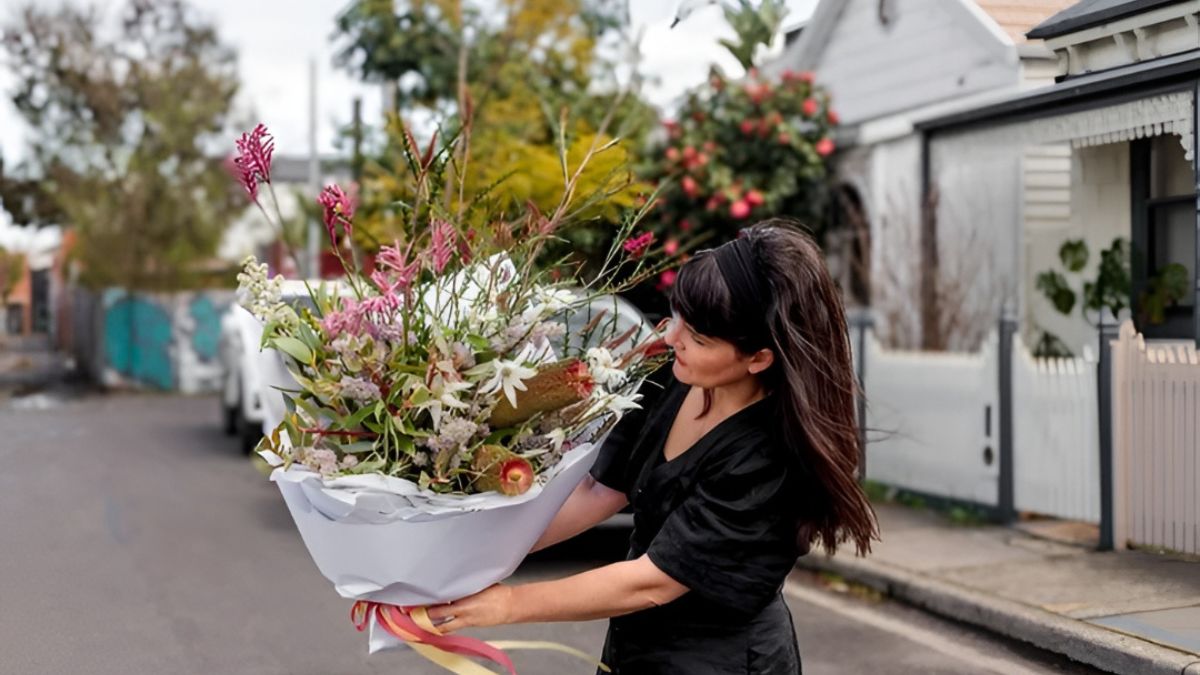
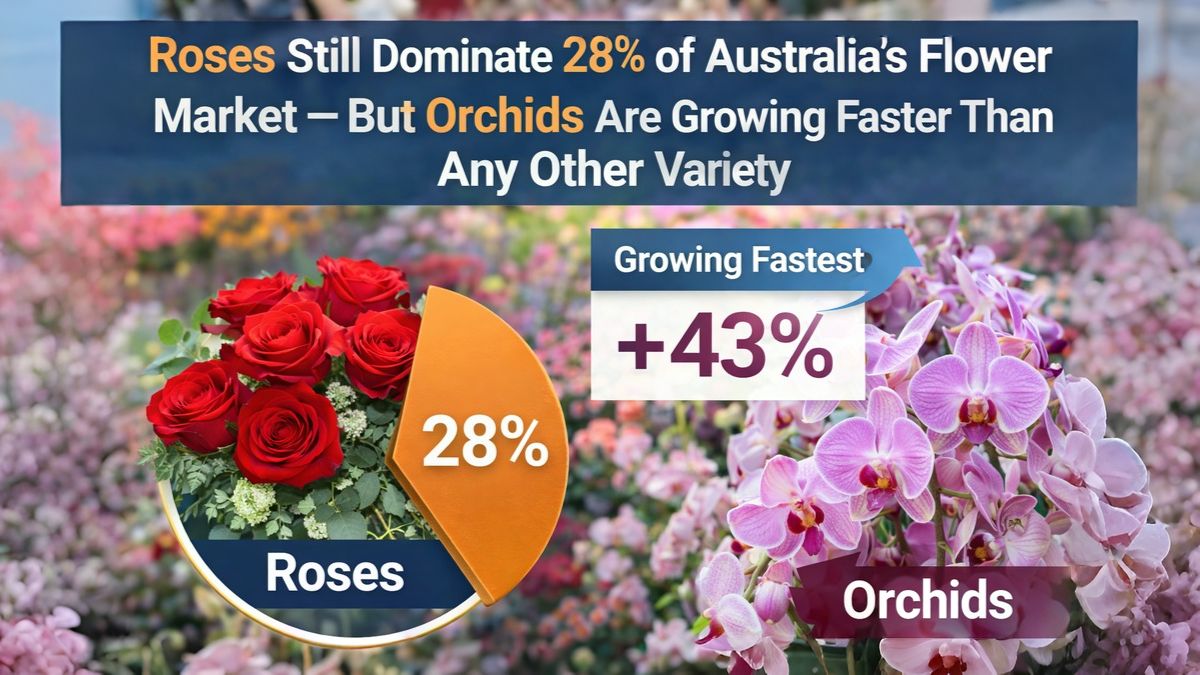
When DAFF released its draft report in October 2025 and subsequently conducted a public consultation process through February 2026, Australia’s local flower growers registered a vehement protest. Flower Industry Australia (FIA)—the country’s leading national body representing flower growers and florists—termed this decision a grave error. They argue that imported flowers already pose a significant threat to Australia’s biosecurity, and removing the mandatory devitalization requirement will only exacerbate this risk. According to industry estimates, half—or approximately 50 percent—of all flowers sold in Australia are imported, primarily from Kenya, Ecuador, Colombia, Malaysia, and China. On Valentine’s Day alone, more than ten million roses are imported from abroad. Given the massive volume of imported flowers, any relaxation in even a single link of the biosecurity chain makes the industry’s concerns entirely understandable. Anna Jabour, CEO of the FIA, has repeatedly raised this issue, stating that local farmers are already under pressure from imports, and now, a relaxation in biosecurity measures will only compound their difficulties. Women flower growers like Anna Sfyris—who runs the 302 Flower Farm in Mount Gisborne, Victoria—have become symbols of this struggle; they not only cultivate local blooms but are also fighting to introduce their customers to native Australian flowers.
CITES and Protected Species: Where No Compromise Exists
Despite the removal of the mandatory devitalization requirement, it is crucial to clarify that Australia has not completely undermined its biosecurity system. Strict phytosanitary inspections remain in force for imported flowers—meaning every shipment is inspected for live pests, and any suspicious material is immediately detained. Furthermore, for certain specific flower species—particularly orchids—which are protected under CITES (the Convention on International Trade in Endangered Species of Wild Fauna and Flora), stringent wildlife trade permits remain mandatory. CITES is an international agreement designed to prevent the illegal trade of rare and endangered species. Australia adheres to this agreement with great strictness—and this has not changed. Thus, while the process of dipping flowers in glyphosate has been discontinued on one hand, the regulations of both DAFF and DCCEEW (Department of Climate Change, Energy, the Environment and Water)—agencies concerned with the environment and biodiversity—continue to work in tandem on the other.
The Story of the Green and Gold Band: When the Industry Took the Initiative
As the pressure from flower imports mounted, and the government repeatedly refused to implement mandatory Country of Origin Labelling for flowers, Flower Industry Australia took a unique step. They produced biodegradable rubber bands—colored green and gold—inscribed with the words “Australian Grown.” These bands are affixed to flower bunches, enabling customers to easily identify whether the flowers they are purchasing were grown by a local producer or are imported. This initiative is as simple as it is effective—requiring no complex legal framework but merely a small band. When Aldo Vambaca—a Sydney-based flower grower with over 40 years of experience—trialed these labels at his market, customer response was overwhelmingly positive. She noted that when people learn that the flowers they are seeing are imported, they are taken aback and prefer to purchase locally produced goods instead. The FIA has made these bands accessible to all member growers and florists—with members also receiving a 20 percent discount. This is an industry-led, grassroots initiative striving to convey accurate information to consumers without waiting for government policy to catch up.
The Battle for Mandatory Origin Labeling: An Unfulfilled Dream
It is crucial to understand that the “Green and Gold” band initiative was launched because the Australian government has, thus far, refused to bring cut flowers under the purview of mandatory Country of Origin Labeling (CoOL) laws. While such labeling is mandatory for food and many other consumer goods, flowers have been explicitly excluded from this scope. In February 2023, the FIA submitted a detailed proposal to the federal government demonstrating that mandatory labeling would yield a benefit of $3.30 to the industry for every $1 in cost incurred—yet the government has not yet approved it. Commenting on this decision, FIA CEO Anna Jabour described it as “a major blow.” She argues, if imported food can carry a label, why shouldn’t imported flowers? This issue is particularly significant because many native Australian blooms—such as kangaroo paws, eucalyptus, and billy buttons—are now being cultivated in other countries and subsequently sold back to Australia, often without the consumer ever realizing it. Bunches of flowers arrive at major supermarkets bearing no indication of their origin—leaving the customer under the impression that they are purchasing locally grown blooms.
Chemical Concerns: The Glyphosate Question
An intriguing aspect of the removal of the devitalization process is that some view it in a positive light. Glyphosate is a chemical herbicide that the World Health Organization’s cancer research arm has classified as “probably carcinogenic to humans.” Several local councils across Australia have imposed bans or restrictions on the use of this chemical. Anna Jaboor of the FIA raised a crucial point: imported flowers bear no information regarding the chemicals used on them—meaning the customer remains completely unaware that the very flower they pick up and hold to their face may have been steeped in glyphosate. Viewed from this perspective, the removal of mandatory devitalization could, at the very least, reduce the direct application of glyphosate on these flowers. The Australian Flower Traders Association—which represents importers and exporters—supports the move away from this chemical, even though it disagrees on the issue of country of origin labeling. Thus, there exist two distinct camps within the industry regarding this single issue—and it is precisely this complexity between them that makes policymaking so challenging.
WTO Obligations and Global Trade Pressures
There is another major factor underpinning this decision by DAFF: obligations under the World Trade Organization (WTO). Under WTO regulations, member nations are required to ensure that their import policies are grounded in scientific evidence and do not unnecessarily impede trade. If a particular treatment is deemed unnecessary—as DAFF concluded in its review—then maintaining it as a mandatory requirement could be construed as a “trade barrier” under WTO rules, potentially exposing Australia to international disputes. Australia’s flower imports originate primarily from nations that possess the capacity to challenge these regulations through WTO mechanisms. Consequently, DAFF has endeavored to demonstrate—on scientific grounds—that devitalization is no longer a necessary requirement; this move, therefore, also represents a significant step toward ensuring compliance with WTO agreements. However, this does not imply that Australia’s biosecurity framework has been compromised; rather, it represents a scientific re-evaluation in which unnecessary measures have been removed to allow for a concentrated focus on those that are truly essential.
A $1.2 Billion Industry and Its Future
As of 2026, Australia’s retail floral industry is valued at approximately $1.2 billion. The sector comprises 2,807 active businesses and is currently expanding at an annual growth rate of roughly 4.2 percent. However, a critical question remains: are the benefits of this growth accruing to local growers or to importers? According to industry estimates, imported flowers account for the majority of sales in supermarkets, whereas independent florists tend to stock predominantly locally grown blooms. Now that DAFF has lifted a major barrier to imports, the coming months will reveal whether or not the volume of imports continues to rise. In response to this situation, Flower Industry Australia (FIA) is encouraging its members to adopt “green-and-gold” branding, engage with their local members of Parliament, and raise consumer awareness. The FIA’s final report is expected to be released in the second half of 2026—at which point it will become clear how import permits and conditions within the BICON (Biosecurity Import Conditions System) are set to evolve.
Conclusion: A Major Battle Behind the Facade of Flowers
Flowers are not merely aesthetic commodities; they represent the livelihood of thousands of farming families, a matter of safeguarding a nation’s biodiversity, and a consumer’s right to make informed choices. DAFF’s 2026 decision touches upon all these dimensions simultaneously. On one side stand scientific rationale and WTO obligations, which argue that the removal of unnecessary regulations is appropriate. On the other side are local flower growers—who have spent decades working to protect Australia’s unique biodiversity—and who fear that even a single regulatory relaxation could undo all their hard work. There is no easy answer to this debate—yet one thing remains certain. Until the government mandates country of origin labeling for flowers, the consumer’s only means of knowing whether the rose in their hand bloomed in an Australian field or was flown in from a distant land is by looking for those distinctive green-and-gold bands. And perhaps this very information—this very transparency—is the most critical demand at the heart of this entire debate.
FAQs
Q. What is devitalisation and why has DAFF removed it?
A. Devitalisation was a mandatory process where imported flower stems were soaked in glyphosate herbicide to prevent regrowth. After an eight-year scientific review, DAFF concluded the risk of propagation was low and the requirement was no longer scientifically justified.
Q. Does this mean Australia’s biosecurity for imported flowers is now weak?
A. No. Imported flowers are still subject to strict phytosanitary inspections for live pests, and protected species like orchids still require CITES wildlife trade permits. Only the mandatory devitalisation step has been removed.
Q. Why are local Australian flower growers unhappy about this change?
A. Local growers fear that relaxing import rules will increase the volume and risk of imported flowers, which already account for roughly half of all flowers sold in Australia, threatening both their livelihoods and the country’s biosecurity.
Q. What are the green and gold rubber bands being used in the flower industry?
A. Flower Industry Australia introduced biodegradable green and gold rubber bands labelled “Australian Grown” to help consumers identify locally produced flowers, since mandatory country of origin labelling for cut flowers has not yet been legislated.
Q. Where do most of Australia’s imported flowers come from?
A. The majority of imported cut flowers come from Kenya, Ecuador, Colombia, Malaysia, and China, with over 10 million roses alone imported for Valentine’s Day each year.






Leave a Reply