

When someone presents you with a beautiful bouquet of flowers, your initial reaction is one of pure joy. You place it in a vase, add some water, and assume the job is done. However, just two days later, that very same bouquet begins to wilt; petals start to drop, and flowers that should have remained in bloom for five to seven days look exhausted after just two or three. This is an incredibly common experience—and the reason isn’t that the flowers themselves were “bad.” The true culprit is that we unknowingly commit certain errors that cut the lifespan of cut flowers in half. Cut flowers are, after all, still living organisms—they absorb water, breathe, and react to their environment. With the right care, they can remain fresh and beautiful for ten to fourteen days. Yet, if we make the mistakes outlined in this article, those very same flowers end up in the trash within three days. So, let’s examine—one by one—the errors that rob flowers of their longevity and learn how to correct them.
Mistake #1: Cutting the Stem Straight—The Magic 45-Degree Angle
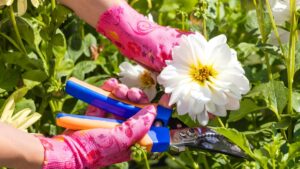
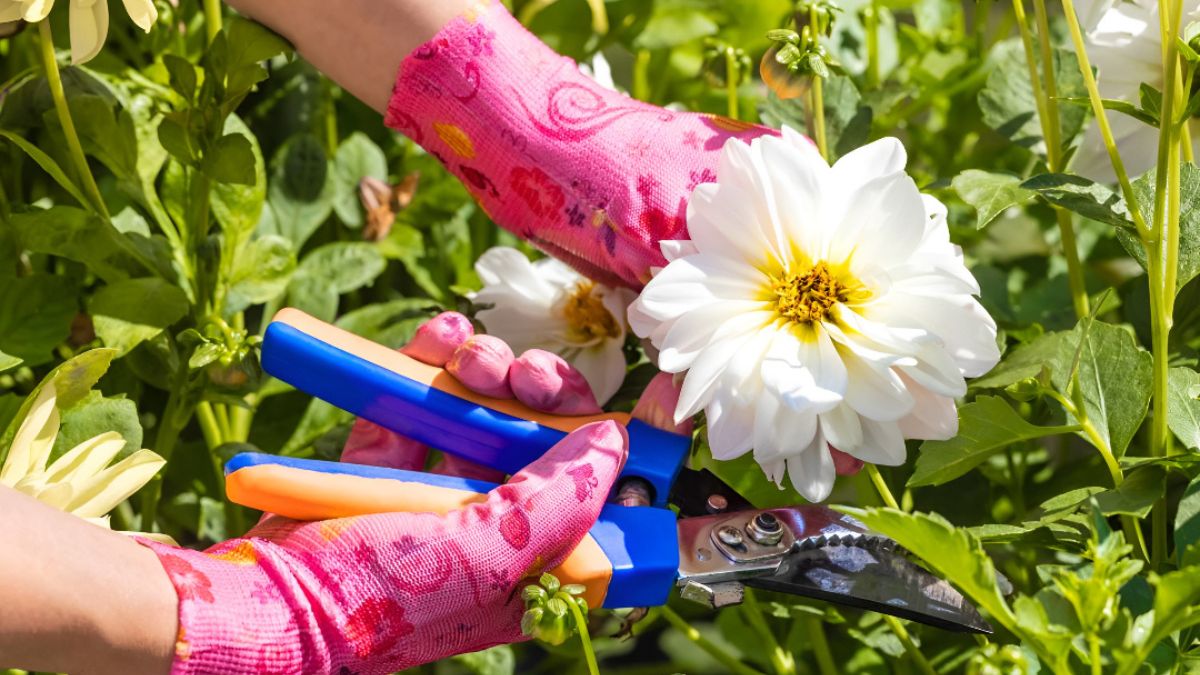
This is the most common—and most detrimental—mistake that almost everyone makes. When you cut a flower stem straight across (horizontally), the cut end becomes flat and presses flush against the bottom of the vase. In this scenario, 60 to 70 percent of the stem’s surface area is unable to make contact with the water—leaving the flower without adequate hydration. Furthermore, if you use ordinary household scissors, they tend to crush the stem’s delicate vascular bundles—the channels responsible for transporting water upward. According to experts at the Brooklyn Botanic Garden, flower stems should always be cut at a 45-degree angle using a sharp knife or floral shears. This specific angle is crucial for two reasons: first, it increases the surface area available for water absorption by approximately 40 percent. Secondly, the stem does not sit flat against the bottom; instead, it rests on a single point, thereby ensuring a continuous flow of water. And one more thing—always cut the stem underwater, or place it in water immediately after cutting, to prevent air bubbles (air embolisms) from entering the stem. Recut the stems every 48 hours—this acts like a “reset button.”
Mistake #2: Using a Dirty Vase—An Invisible Bacterial Breeding Ground.
This mistake may seem trivial at first glance, but its impact is the most detrimental. A vase that appears clean on the outside may harbor millions of bacteria on the inside. According to research by Reema Florists, a single vase can contain up to one million bacteria per square inch—and these bacteria clog the stems from within, preventing the flowers from absorbing water. According to research by UC Davis Postharvest Technology, bacterial contamination can reduce a flower’s vase life by up to 70 percent. Rinsing with water alone is not sufficient; to remove the layer of bacteria, scrub the vase thoroughly with a brush and wash it using a mild soap. Some florists recommend adding a small amount of vinegar to the vase during cleaning. This process should be repeated every time you change the water. Avoid using plastic vases, as bacteria tend to take up permanent residence within their microscopic scratches. Glass or ceramic vases are the best choices, as they are easy to clean and offer fewer opportunities for bacteria to thrive.
Mistake #3: Leaving Leaves Submerged in Water — An Open Invitation to Rot
This is a mistake that many people simply overlook. When the lower leaves of flowers remain submerged in water, they begin to rot rapidly, fostering the growth of harmful bacteria and fungi within the water. This contaminated water then travels up the stem to the flower, significantly shortening its lifespan—and, as an added consequence, causes the water to develop an unpleasant odor. Experts at Northside Florist advise removing all leaves from each stem that would otherwise be submerged in water before placing the flowers in a vase. Retain only the leaves located on the upper portion of the flower. This may seem like a small step, but it has a profound impact. According to guidelines from the Brooklyn Botanic Garden, this is a practice that professional florists consistently follow—and it is precisely why their flowers remain fresh for much longer than those kept in a home setting.
Mistake #4: Placing Flowers Near Sunlight and Heat — Flowers’ Greatest Enemy
Many people place their flowers near a window, believing they will look even more beautiful when bathed in sunlight. While this is a charming gesture, it is a highly detrimental habit. Direct sunlight scorches the petals and leaves, stripping them of their moisture—causing the flowers to wilt very quickly. Similarly, placing flowers near heating vents, kitchen appliances, or any other heat source is fatal to their longevity. According to House Digest, flowers should be placed in a location that receives indirect light, maintains a stable temperature, and is free from strong drafts or gusts of wind. A cool, shaded, and well-ventilated room provides the ideal environment for flowers. If your home tends to warm up at night, consider moving the flowers to a cooler spot—such as a bathroom—overnight; this simple step can significantly extend their lifespan.
Mistake #5: Placing Flowers Near a Fruit Basket — The Danger of Ethylene Gas
This is a mistake that very few people are aware of. Fruits such as bananas, apples, mangoes, tomatoes, and avocados release ethylene gas during the ripening process. This gas is completely odorless and invisible—yet for flowers, it acts like a slow poison. Ethylene gas accelerates the aging process of flowers—petals drop prematurely, colors fade, and the blooms wither before their time. According to Fiore Designs, smoke is also a source of ethylene gas; consequently, flowers deteriorate rapidly in smoky environments as well. The solution is remarkably simple: keep flowers away from fruit baskets. Instead of placing flowers in the kitchen, position them on the dining table, in the living room, or in the bedroom—anywhere where there is no fruit.
Mistake #6: Not Changing the Water — Stale Water Becomes a Breeding Ground for Bacteria
“The water is still there—why change it?” — This mindset is very common and also very harmful. Within one to two days, the water in a vase becomes teeming with bacteria, turns cloudy, and begins to smell foul. These bacteria clog the stems, preventing the flowers from absorbing water—the result is that they begin to wilt. Lia, a florist at Lia’s Flowers, advises changing the water in the vase every 48 hours—and each time you change the water, thoroughly clean the vase and re-cut the stems. If the water looks cloudy or smells unpleasant, change it immediately. Water temperature matters, too—for most flowers, room-temperature or slightly warm water is best, as warm water molecules move faster and are more easily absorbed by the stems. There is one exception: bulb flowers, such as tulips, require cold water.
Mistake #7: Not Adding Flower Food, or Adding the Wrong Amount
The small packet of powder that comes with your flowers isn’t just an “extra”—it serves a vital purpose. It is a scientifically formulated mixture containing three key ingredients: sugar (which provides nutrition to the flower), an acid (which balances the water’s pH level), and a bactericide (which fights against bacteria). All three components are needed in combination; adding sugar alone actually encourages bacterial growth, while flowers deprived of proper nutrition will quickly weaken. A very common mistake is adding a single small packet to a large vase; typically, one packet is intended for just one pint of water, whereas a standard vase holds one to two quarts. In short, the dosage must be correct. If you don’t have flower food on hand, avoid relying on home remedies—such as adding aspirin, dropping coins into the water, or simply adding sugar—as these offer only short-term effects and do not provide the necessary benefits. Instead, frequently changing the water is a far more effective approach.
Mistake #8: Mixing Daffodils with Other Flowers
This is a specific—yet crucial—mistake that very few people are aware of. The stems of daffodils (Narcissus) secrete a particular sap that is harmful to other flowers. Floralife guidelines explicitly state that daffodils should never be mixed with other flowers. If you wish to display daffodils alongside other blooms, you must first place the daffodils in a separate container of water for at least twelve hours; this allows the sap to leach out. Afterward, they can be combined with other flowers; however, once the water is changed, do not mix them together again. This simple tip can save your entire bouquet.

Mistake #9: Leaving Wilted Flowers in the Bouquet
When one or two flowers in a bouquet begin to wilt, people often leave them right where they are—thinking, “The rest are still fine.” However, this is a major error. Wilted or decaying flowers release ethylene gas, which causes the remaining fresh blooms to age prematurely. Furthermore, decaying flowers introduce bacteria into the water, which ultimately harms the entire bouquet. A florist from Lia’s Flowers recommends taking two minutes each morning to inspect your bouquet. Any flower that is wilting, or any leaves that are turning yellow, should be removed immediately. This simple step can extend the lifespan of the remaining flowers by several days.
Mistake #10: Cutting at the Wrong Time and Leaving Flowers Without Water
If you are cutting flowers from your own garden, timing is absolutely crucial. According to the Brooklyn Botanic Garden, the best time to cut flowers is early in the morning—when the plants are fully hydrated from the cool night air and dew, and their stems contain the highest levels of water and carbohydrates. The worst time is in the afternoon—when the plants have lost the maximum amount of water and their petals have gone limp. Additionally, a very common mistake is leaving cut flowers without water for “just a minute.” However, in just a few minutes, the cut ends of the stems can seal up and air bubbles can enter—thereby hindering water absorption later on. Always place cut flowers into water immediately—and, if possible, cut them while submerged in water.
Conclusion: A Little Knowledge, a Much Longer Life
Caring for cut flowers is not a complex science, but it is certainly an art that can be mastered with a little knowledge and a bit of discipline. Cutting stems at a 45-degree angle, using a clean vase, removing submerged leaves, changing the water regularly, adding the correct amount of flower food, and keeping flowers away from heat and ripening fruit—all these steps combined can extend the lifespan of your flowers from three days to ten or even fourteen days. When you receive flowers from someone—whether on a special occasion or simply just because—remember that those flowers are still alive, and in exchange for a little care on your part, they will bring you joy and beauty for a very long time. And when, even a week later, those flowers still look just as fresh, realize this: you haven’t merely cared for the flowers; you have kept a beautiful moment alive.
FAQs
Q. Why do cut flowers wilt so quickly even when placed in water?
A. The most common reasons are flat stem cuts that block water absorption, bacteria-filled vases, submerged leaves rotting in the water, and improper placement near heat or direct sunlight. All of these prevent the flower from properly absorbing water, causing premature wilting.
Q. How should I cut flower stems to make them last longer?
A. Always cut stems at a 45-degree angle using sharp floral shears or a clean knife, never household scissors. The angled cut increases the water-absorbing surface area by around 40 percent and prevents the stem from sitting flat against the vase bottom. Re-cut stems every 48 hours for best results.
Q. How often should I change the water in a flower vase?
A. Change the water every 48 hours at minimum, or sooner if it looks cloudy or smells unpleasant. Each time you change the water, clean the vase thoroughly with soap or vinegar and re-trim the stems at an angle to keep the flowers hydrated and bacteria-free.
Q. Why should I keep flowers away from fruit bowls?
A. Ripening fruits like bananas, apples, and mangoes release an invisible, odourless gas called ethylene, which accelerates the ageing process in flowers, causing petals to drop faster and colours to fade. Always keep bouquets well away from fruit bowls and kitchen produce.
Q. Can I mix daffodils with other flowers in the same vase?
A. Not directly. Daffodils release a sap from their stems that is harmful to other flowers. If you want to display them together, first condition the daffodils in a separate vase for at least twelve hours so the sap drains out, then combine them with other flowers in fresh water.









Leave a Reply