

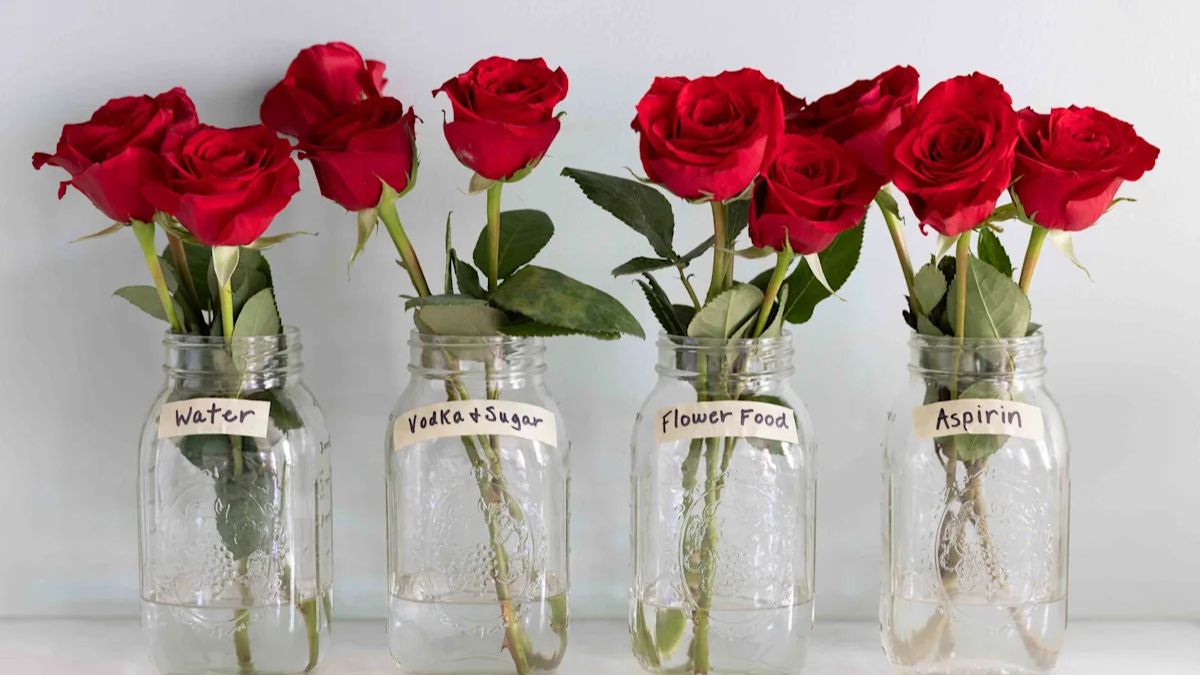
Cut rose flowers are widely admired for their beauty, fragrance, and symbolism, but their freshness often fades quickly once they are removed from the plant. Maintaining the longevity of these delicate blooms is a common concern for florists, researchers, and flower enthusiasts alike. Over time, various substances have been tested to preserve the freshness of cut roses, including sugar, aspirin, and vitamin C (Vc). Each of these treatments influences the physiological processes of the flower in different ways, ultimately affecting how long the roses remain vibrant and visually appealing.
Role of Sugar in Preserving Freshness
Sugar plays a crucial role in extending the vase life of cut rose flowers by acting as an external energy source. Once a rose is cut, it loses its natural supply of carbohydrates that are essential for respiration and metabolic activities. Adding sugar to the water helps compensate for this loss by providing the necessary nutrients to sustain cellular functions.
As a result, roses treated with sugar tend to maintain their color, petal firmness, and overall vitality for a longer period. The presence of sugar also promotes bud opening, allowing partially closed roses to bloom fully. However, excessive sugar concentration can encourage microbial growth in the water, which may block the stem’s ability to absorb water. Therefore, while sugar is beneficial, it must be used in appropriate quantities to achieve optimal results.
Effects of Aspirin on Cut Roses
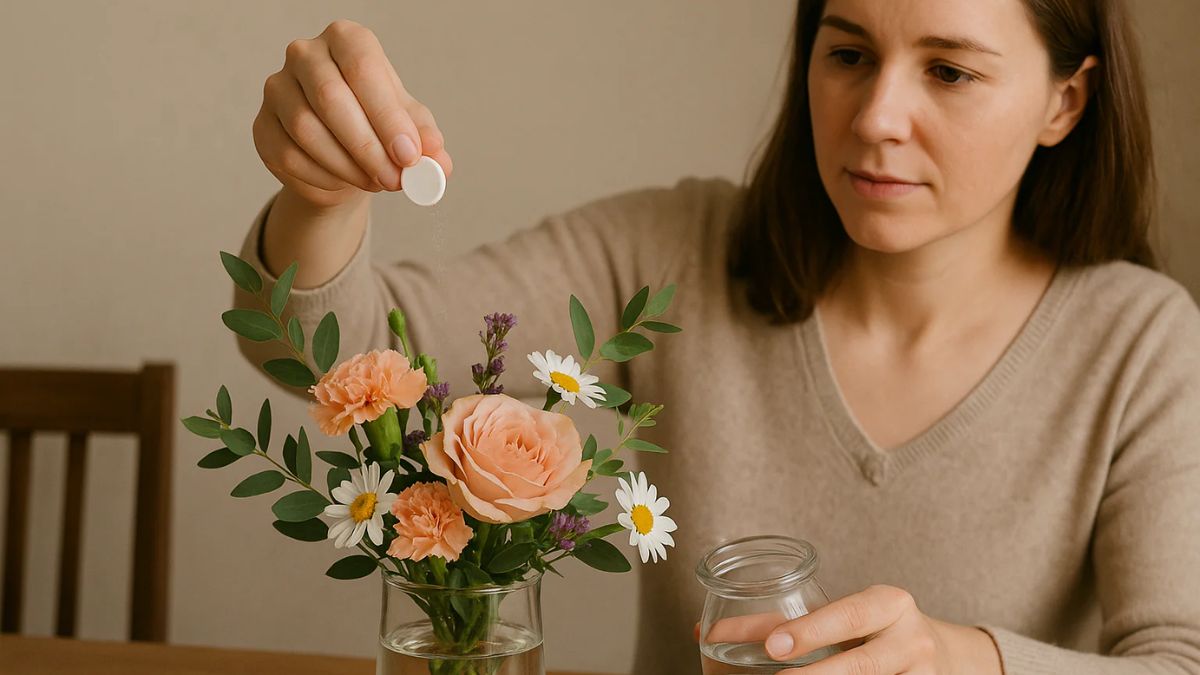
Aspirin, commonly known for its medicinal use, has also been explored as a preservative for cut flowers. When dissolved in water, aspirin releases compounds that can lower the pH level of the solution. This acidic environment improves water uptake by the rose stems, helping to prevent wilting and dehydration.
Additionally, aspirin possesses mild antimicrobial properties, which can reduce the growth of bacteria in the vase water. This ensures that the vascular tissues of the stem remain unblocked, allowing continuous hydration. Roses treated with aspirin often show improved freshness compared to untreated flowers, with firmer petals and delayed signs of aging.
However, the effectiveness of aspirin can vary depending on the concentration used. Too much aspirin may create an overly acidic environment, potentially damaging the tissues of the flower. Thus, careful measurement is essential when using aspirin as a floral preservative.
Influence of Vitamin C (Vc) on Flower Longevity
Vitamin C, also known as ascorbic acid, is another substance that has shown promising effects in preserving the freshness of cut rose flowers. Similar to aspirin, vitamin C helps in lowering the pH of the water, thereby enhancing water absorption through the stem.
One of the key advantages of vitamin C is its strong antioxidant property. It helps reduce oxidative stress within the plant tissues, which is a major factor contributing to the aging and deterioration of cut flowers. By minimizing cellular damage, vitamin C helps maintain the structural integrity and freshness of the petals.
Roses treated with vitamin C often exhibit improved resistance to wilting and discoloration. The petals remain vibrant and hydrated for a longer duration, making this treatment particularly effective for extending vase life. However, like other treatments, the concentration of vitamin C must be carefully controlled to avoid adverse effects.
Comparative Analysis of the Three Treatments
When comparing sugar, aspirin, and vitamin C, it becomes clear that each substance contributes to freshness in a unique way. Sugar primarily provides nutritional support, enhancing energy availability and promoting blooming. Aspirin focuses on improving water uptake and controlling microbial growth, while vitamin C offers both pH regulation and antioxidant protection.
In many cases, a combination of these substances may yield even better results, as they address multiple aspects of flower preservation simultaneously. For example, sugar can supply energy, while aspirin or vitamin C can maintain a clean and efficient water uptake system. However, improper combinations or excessive use can lead to negative outcomes, emphasizing the importance of balanced application.
Practical Implications for Flower Care
Understanding the effects of these substances can help individuals and professionals make informed decisions about flower care. Simple household ingredients like sugar, aspirin, and vitamin C can significantly improve the longevity of cut roses when used correctly. Regularly changing the water, trimming the stems, and maintaining cleanliness in the vase further enhance the effectiveness of these treatments.
By applying these techniques, it is possible to enjoy fresh and beautiful roses for an extended period, whether for decoration, gifting, or special occasions.
Conclusion
The freshness and longevity of cut rose flowers can be effectively enhanced through the use of sugar, aspirin, and vitamin C. Each of these substances offers distinct benefits, ranging from nutritional support to improved hydration and protection against oxidative damage. While no single treatment is universally superior, their thoughtful application can significantly prolong the life and beauty of roses. With proper care and balanced use of these agents, maintaining vibrant and long-lasting cut flowers becomes both achievable and practical.
FAQs
Q1. Does sugar help cut roses last longer?
Yes, sugar provides nutrients that help maintain freshness and extend vase life.
Q2. Why is aspirin used in flower water?
Aspirin helps reduce bacterial growth and improves water absorption in stems.
Q3. Is vitamin C effective for preserving roses?
Vitamin C lowers water pH, helping flowers absorb water more efficiently.












Leave a Reply