

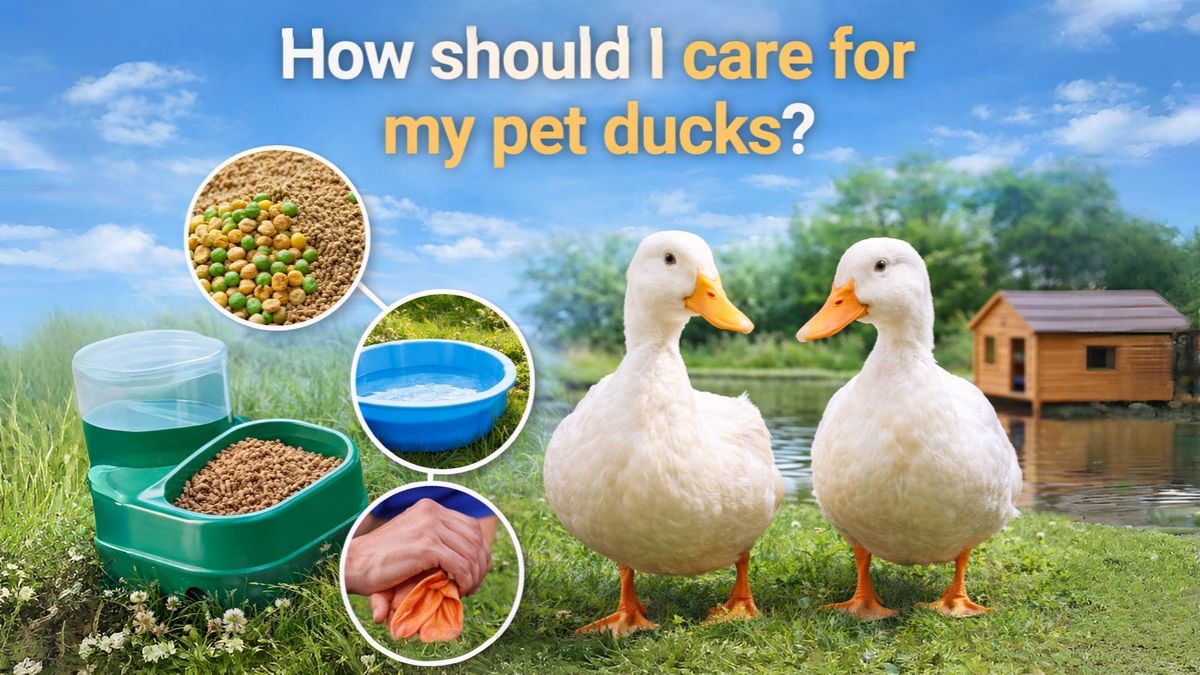
Caring for pet ducks is a deeply rewarding experience that brings a unique charm to your home or backyard. Ducks are intelligent, social, and surprisingly affectionate animals that can form strong bonds with their owners when given proper care and attention. However, many first-time duck owners underestimate the level of commitment required to keep these birds healthy and happy. Unlike common pets such as dogs or cats, ducks have specific needs related to their environment, diet, hygiene, and social interaction.
If you are planning to raise pet ducks or already have them, understanding their daily requirements is essential. With the right approach, you can create a safe, comfortable, and enriching environment where your ducks will thrive. This guide will walk you through everything you need to know, from housing and feeding to health care and emotional well-being.
Creating a Safe and Comfortable Living Space
One of the first and most important aspects of caring for pet ducks is providing them with a suitable living environment. Ducks need a secure and spacious area where they can move freely, rest comfortably, and stay protected from predators and harsh weather conditions.
A well-designed duck house or coop should be dry, well-ventilated, and easy to clean. Unlike chickens, ducks do not roost on perches, so their sleeping area should be flat and covered with soft bedding such as straw or wood shavings. Keeping the bedding clean and dry is essential to prevent infections and maintain overall hygiene.
Outdoor space is equally important. Ducks love to roam, forage, and explore their surroundings. A fenced yard or garden area allows them to exercise and engage in natural behaviors. Make sure the fencing is secure enough to keep predators out, especially at night. Shade is also necessary during hot weather to protect ducks from overheating.
Water is a crucial element of their habitat. Ducks need access to water not just for drinking, but also for cleaning themselves. A small pond, tub, or shallow pool can serve this purpose. Clean water helps maintain their feathers and keeps them in good condition.
Feeding Your Ducks the Right Diet
Proper nutrition plays a vital role in the health and longevity of your pet ducks. A balanced diet ensures they receive all the essential nutrients needed for growth, energy, and overall well-being.
Commercial duck feed is the best option as it is specially formulated to meet their dietary requirements. If duck feed is not available, you can use chicken feed, but it should be supplemented with additional nutrients such as niacin, which is crucial for ducks.
In addition to commercial feed, ducks enjoy a variety of fresh foods. Leafy greens, vegetables like peas and cucumbers, and small amounts of fruits can be included in their diet. These foods not only provide essential vitamins but also add variety, making feeding time more enjoyable for your ducks.
It is important to avoid feeding ducks processed or junk foods such as bread, chips, or sugary snacks. While ducks may eat these items, they offer little nutritional value and can lead to health problems over time. Always ensure that fresh, clean drinking water is available, as ducks need water to help them swallow their food properly.
Importance of Clean Water and Hygiene
Cleanliness is one of the most critical aspects of duck care. Ducks are naturally messy animals, especially when it comes to water. They love to splash, play, and dip their heads into water, which can quickly turn their living area into a muddy mess if not managed properly.
Regular cleaning of their water containers is essential to prevent the buildup of bacteria and algae. Drinking water should be changed daily, while swimming areas should be cleaned frequently depending on usage.
Maintaining hygiene in their living space is equally important. Remove wet bedding, droppings, and leftover food regularly to prevent unpleasant odors and the spread of disease. A clean environment not only keeps your ducks healthy but also makes caring for them more enjoyable for you.
Proper hygiene also includes observing your ducks’ physical condition. Clean feathers, bright eyes, and active behavior are signs of good health. If you notice anything unusual, such as dirty or matted feathers, it may indicate a problem that needs attention.
Social Needs and Emotional Well-Being
Ducks are highly social animals that thrive in the company of others. Keeping a single duck can lead to loneliness, stress, and behavioral issues. It is always recommended to keep ducks in pairs or small groups so they can interact and communicate naturally.
Spending time with your ducks helps build trust and strengthens your bond with them. Ducks can recognize their owners and may even follow them around when they feel comfortable. Talking to them, feeding them by hand, and being present in their environment can make them feel secure and happy.
Providing mental stimulation is also important. Ducks enjoy exploring, foraging, and interacting with their surroundings. Allowing them access to natural elements such as grass, soil, and water keeps them engaged and prevents boredom. A happy duck is an active and curious duck.
Health Care and Common Issues
Monitoring your ducks’ health is an essential part of responsible pet ownership. Regular observation helps you detect any potential problems early and take necessary action. Healthy ducks are active, alert, and have smooth, clean feathers.
Common health issues in ducks include respiratory infections, parasites, and nutritional deficiencies. Ensuring a clean environment, proper diet, and access to fresh water can significantly reduce the risk of these problems.
Pay attention to signs such as loss of appetite, lethargy, difficulty walking, or unusual droppings. These symptoms may indicate illness and should not be ignored. Consulting a veterinarian experienced in bird care is the best course of action if you suspect any health concerns.
Preventive care is always better than treatment. Regular cleaning, balanced feeding, and providing a stress-free environment go a long way in keeping your ducks healthy.
Seasonal Care and Weather Protection
Ducks are generally hardy animals, but they still need protection from extreme weather conditions. During hot weather, ensure they have access to shade and plenty of fresh water to prevent overheating. A shallow pool or pond allows them to cool down naturally.
In colder months, their living area should be insulated and kept dry. While ducks can tolerate cold temperatures, damp and windy conditions can be harmful. Providing extra bedding helps keep them warm and comfortable.
It is also important to protect their water sources from freezing in winter. Ducks need access to liquid water at all times, so breaking ice or using heated water containers may be necessary in very cold climates.
Adapting your care routine according to the season ensures your ducks remain comfortable and healthy throughout the year.
Building a Strong Bond with Your Ducks
One of the most rewarding aspects of keeping pet ducks is the bond you can develop with them. Ducks may not show affection in the same way as traditional pets, but they express trust and comfort in their own unique ways.
Consistency is key when building a relationship with your ducks. Feeding them at the same time each day, speaking to them gently, and handling them with care helps them feel safe around you. Over time, they may become more interactive and responsive to your presence.
Understanding their behavior also plays a role in strengthening your connection. Ducks communicate through sounds and body language, and learning to interpret these signals allows you to respond to their needs more effectively.
A strong bond not only enhances your experience as a pet owner but also contributes to the overall well-being of your ducks.
Conclusion: A Happy Life for Your Pet Ducks
Caring for pet ducks requires dedication, patience, and a genuine love for animals. From providing a safe and clean living space to ensuring proper nutrition and social interaction, every aspect of their care contributes to their happiness and health.
Ducks are more than just backyard animals; they are intelligent and social companions that can bring joy and liveliness to your daily life. By understanding their needs and creating a nurturing environment, you can ensure that your ducks lead a fulfilling and comfortable life.
With the right care and attention, your pet ducks will not only thrive but also become a delightful and cherished part of your home.
FAQs
1. How often should I feed my pet ducks?
Pet ducks should be fed at least twice a day with balanced feed, along with access to fresh water at all times.
2. Do pet ducks need a pond?
A pond is not necessary, but ducks do need a water source like a tub or pool to clean themselves and stay healthy.
3. Can ducks live alone?
No, ducks are social animals and should be kept in pairs or groups to prevent loneliness and stress.







Leave a Reply