

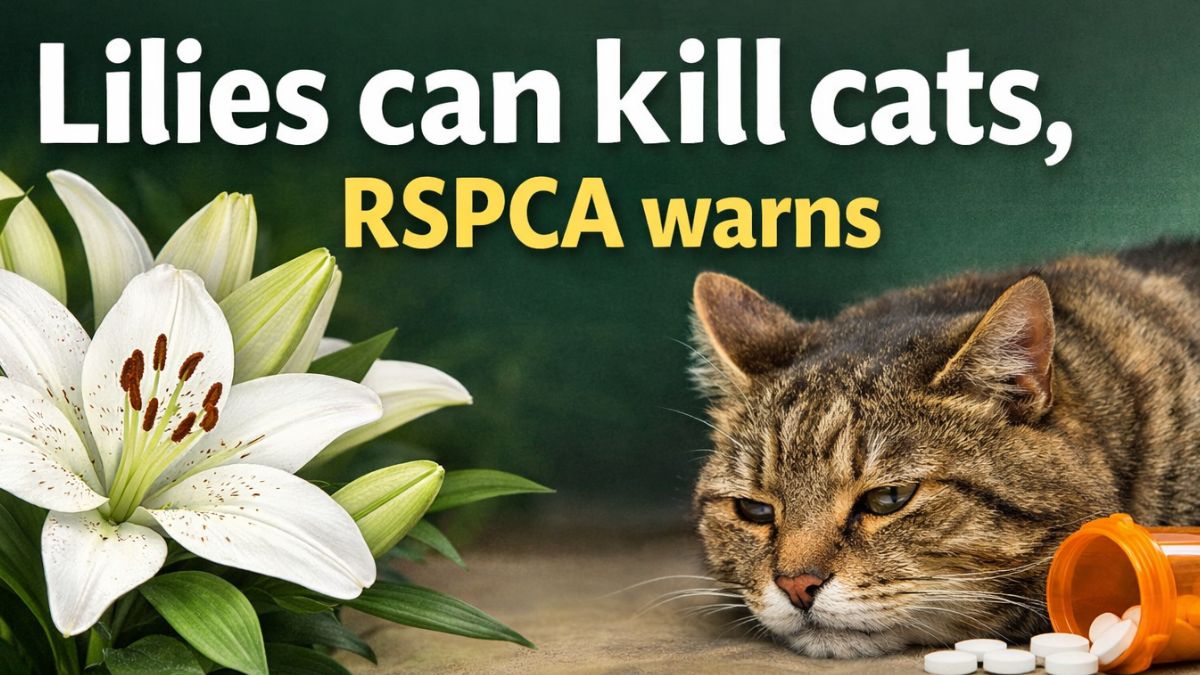
Lilies are often admired for their beauty, elegance, and sweet fragrance. They are a popular choice for homes, gardens, and special occasions. However, behind their delicate petals lies a hidden danger that many pet owners are unaware of. The RSPCA has issued a serious warning that lilies are extremely toxic to cats, and even minimal exposure can lead to life-threatening consequences.
The Hidden Danger Inside a Beautiful Flower
While lilies may seem harmless to humans, they pose a severe risk to feline health. Every part of the plant—including petals, leaves, stems, and even pollen—contains toxins that can be deadly to cats. What makes this even more alarming is that a cat doesn’t need to chew on the plant to be affected. Simply brushing against a lily and later grooming pollen off its fur can be enough to trigger poisoning.
This silent threat often goes unnoticed until it’s too late. Many cat owners bring lilies into their homes without realizing the danger, especially during celebrations or as gifts. Unfortunately, this lack of awareness has led to numerous cases of accidental poisoning.
How Lilies Affect a Cat’s Body
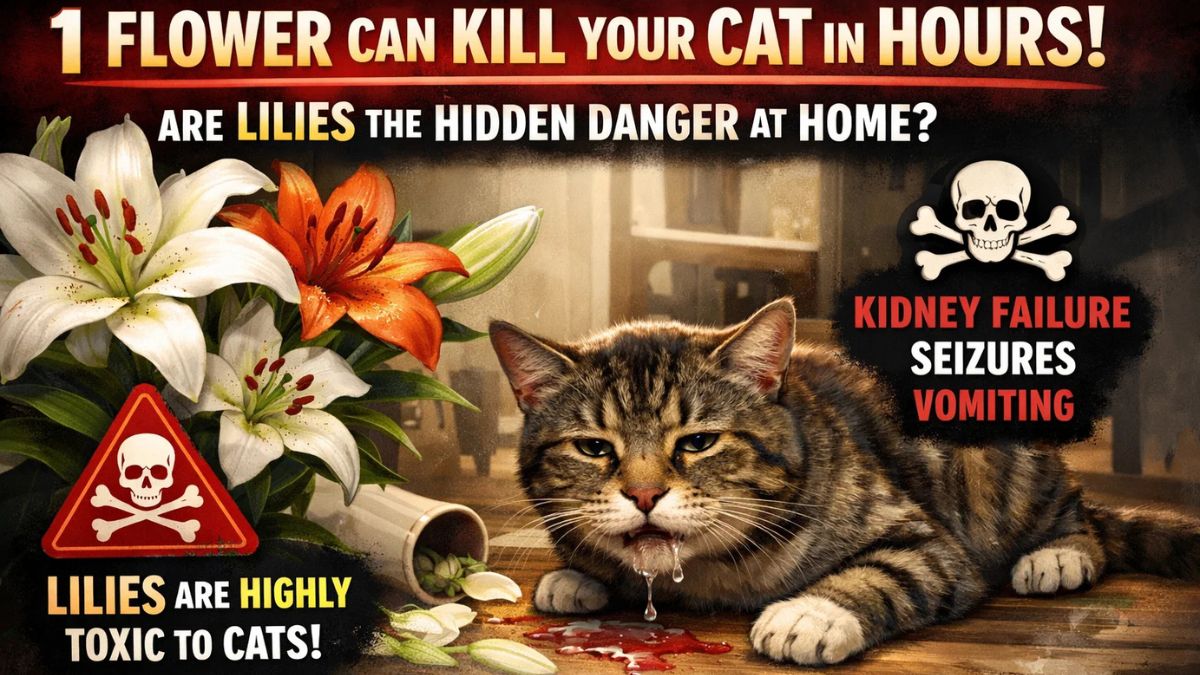
The toxins found in lilies primarily target a cat’s kidneys. Once ingested or absorbed, these toxins can quickly lead to acute kidney failure. The damage begins rapidly, sometimes within hours, making early detection and treatment absolutely critical.
Symptoms of lily poisoning can include vomiting, lethargy, loss of appetite, and excessive drooling. As the condition worsens, cats may show signs of dehydration, confusion, and reduced urination. Without immediate veterinary care, the outcome can be fatal.
The speed at which lilies affect cats is what makes them particularly dangerous. Unlike some toxins that take time to build up in the system, lily poisoning can escalate quickly, leaving very little room for delay.
Why Awareness Is So Important
One of the biggest challenges in preventing lily poisoning is the general lack of awareness among pet owners. Many people simply don’t associate flowers with danger. Lilies are commonly found in bouquets, especially during holidays like Easter, Mother’s Day, or weddings, which increases the risk of exposure.
The RSPCA continues to stress the importance of educating cat owners about this issue. By spreading awareness, more lives can be saved. Understanding that something as simple as a flower arrangement can pose a deadly threat is the first step in protecting pets.
Steps to Keep Your Cat Safe
Keeping cats safe from lilies requires a proactive approach. The most effective solution is to avoid bringing lilies into your home altogether if you have a cat. This includes not only potted plants but also cut flowers in vases.
If you receive a bouquet that contains lilies, it is best to remove them immediately or keep them in a completely inaccessible area. However, since cats are naturally curious and agile, even placing them out of reach may not be enough.
Additionally, always check the types of plants you introduce into your home or garden. Many pet-safe alternatives offer the same beauty without the risk. Being mindful of your environment can go a long way in preventing accidental exposure.
What to Do in Case of Exposure
If you suspect that your cat has come into contact with lilies, time is of the essence. Immediate action can make the difference between life and death. Contact a veterinarian right away, even if your cat is not showing symptoms yet.
Early treatment significantly increases the chances of recovery. Veterinarians may use methods such as fluid therapy and monitoring kidney function to counteract the effects of the toxin. Delaying treatment, even by a few hours, can drastically reduce the chances of survival.
Conclusion
Lilies may be beautiful, but for cat owners, they represent a serious and often underestimated danger. The warning from the RSPCA serves as a crucial reminder that not everything that looks harmless truly is. By staying informed and making conscious choices, pet owners can protect their beloved companions from preventable harm.
In the end, a small change—like choosing pet-safe plants—can save a life. Awareness, caution, and quick action are the keys to ensuring that our homes remain safe havens for our furry friends.
FAQs
Q1. Why are lilies dangerous for cats?
Lilies contain toxins that can cause severe kidney failure in cats, even in small amounts.
Q2. What happens if a cat eats lilies?
Symptoms include vomiting, lethargy, loss of appetite, and can lead to fatal kidney damage.
Q3. Are all types of lilies toxic to cats?
Most true lilies and some related plants are highly toxic to cats.










Leave a Reply