

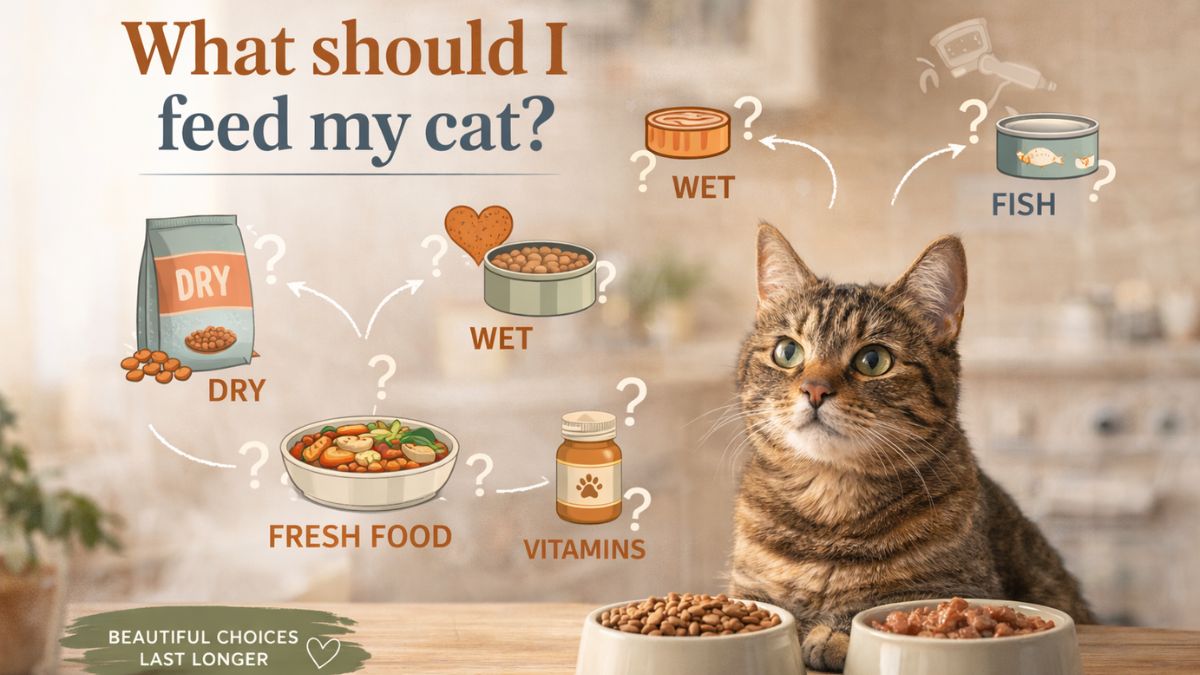
Feeding your cat may seem like a simple daily task, but it plays a crucial role in shaping your pet’s overall health, behavior, and lifespan. Many cat owners often wonder whether they are making the right food choices, especially with so many options available in the market. From dry kibble to wet food and even homemade diets, the decisions can feel overwhelming. Understanding what your cat truly needs is the first step toward ensuring a happy and healthy life for your feline companion.
Cats are unique creatures with specific dietary requirements that differ significantly from other pets. They are obligate carnivores, which means their bodies are designed to thrive on nutrients found primarily in animal-based proteins. This fundamental fact influences every aspect of their diet and makes it essential for owners to choose food that aligns with their natural needs.
Understanding Your Cat’s Nutritional Needs
To properly answer the question of what to feed your cat, it is important to understand their nutritional requirements. Cats need a diet rich in high-quality protein, moderate amounts of fat, and minimal carbohydrates. Protein supports muscle growth and energy, while fats provide essential fatty acids that contribute to a healthy coat and skin.
One of the most important nutrients for cats is taurine, an amino acid found only in animal tissues. A deficiency in taurine can lead to serious health problems, including heart disease and vision issues. This is why feeding cats a vegetarian or plant-based diet is not suitable for their biology.
In addition to protein and fat, cats also require vitamins, minerals, and a constant supply of fresh water. A balanced diet ensures that all these elements are present in the right proportions, supporting everything from digestion to immune function.
The Difference Between Dry and Wet Cat Food
When choosing cat food, one of the most common decisions involves selecting between dry food and wet food. Each option has its own benefits and considerations, and many cat owners choose a combination of both.
Dry cat food, often referred to as kibble, is convenient and easy to store. It can be left out for longer periods without spoiling, making it ideal for busy households. It also tends to be more affordable and may help with dental health by reducing plaque buildup.
Wet cat food, on the other hand, contains a higher moisture content, which is beneficial for hydration. Cats naturally have a low thirst drive, so wet food helps ensure they get enough water in their diet. It is also often more palatable, making it a good choice for picky eaters or older cats with dental issues.
The best choice depends on your cat’s individual needs, preferences, and health conditions. Many veterinarians recommend a balanced approach that includes both types to provide variety and comprehensive nutrition.
Choosing High-Quality Commercial Cat Food
Not all cat foods are created equal. When selecting commercial cat food, it is important to look beyond attractive packaging and focus on the ingredients list. High-quality cat food should list real meat, such as chicken, fish, or beef, as the primary ingredient.
Avoid products that rely heavily on fillers like corn, wheat, or soy, as these provide little nutritional value for cats. Artificial additives, colors, and preservatives should also be minimized whenever possible.
Reading labels can be confusing at first, but focusing on protein content and ingredient quality can make the process easier. Premium cat food brands often provide more balanced nutrition and better ingredient sourcing, which can contribute to your cat’s long-term health.
Can You Feed Your Cat Homemade Food?
Some pet owners prefer to prepare homemade meals for their cats, believing it to be a healthier or more natural option. While this approach can work, it requires careful planning and knowledge of feline nutrition.
Homemade diets must include the right balance of protein, fats, vitamins, and minerals. Simply feeding your cat cooked meat is not enough, as it may lack essential nutrients like taurine, calcium, and certain vitamins.
If you are considering a homemade diet, it is highly recommended to consult with a veterinarian or a pet nutrition expert. They can help create a balanced meal plan that meets your cat’s specific needs and prevents nutritional deficiencies.
Foods You Should Never Feed Your Cat
While it is important to know what to feed your cat, it is equally important to understand what to avoid. Certain human foods can be toxic or harmful to cats, even in small amounts.
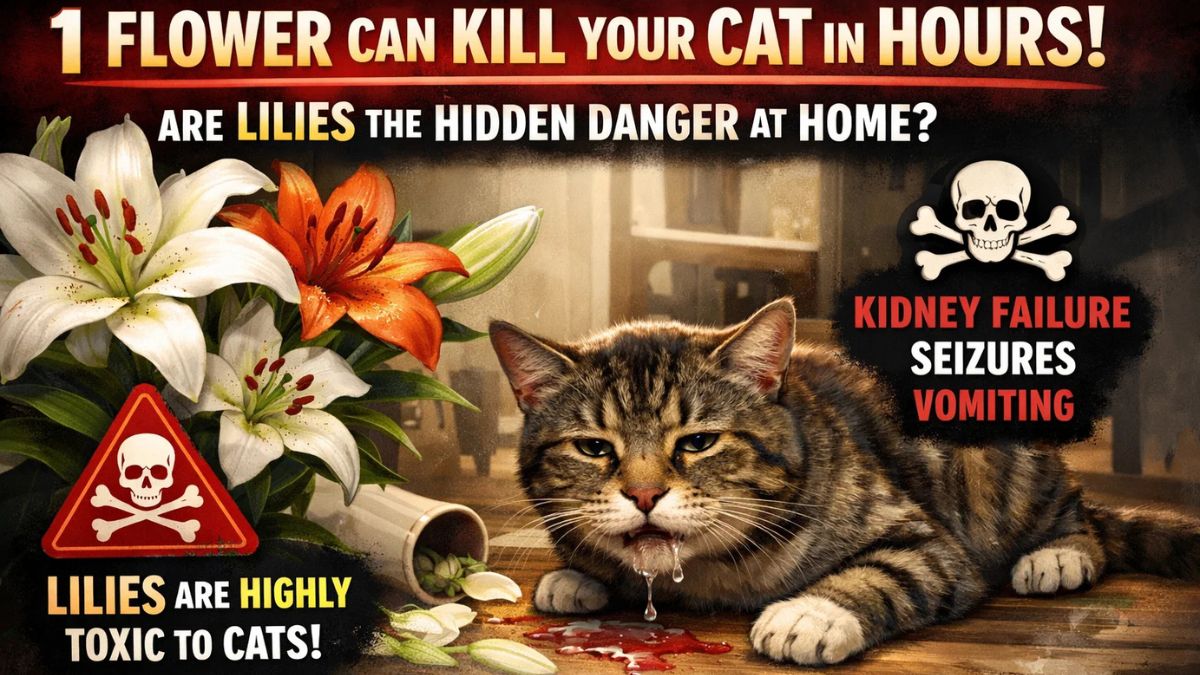
Foods such as chocolate, onions, garlic, grapes, and alcohol should never be given to cats. These items can cause serious health issues, including poisoning and organ damage. Dairy products, often associated with cats, can also cause digestive problems, as many cats are lactose intolerant.
Being mindful of these dangers helps protect your cat from unnecessary health risks and ensures their diet remains safe and beneficial.
Feeding Kittens vs Adult Cats
A cat’s dietary needs change throughout its life, and feeding them according to their age is essential for proper growth and development. Kittens require more calories, protein, and nutrients to support their rapid growth. Specialized kitten food is designed to meet these demands and should be given until they reach adulthood.
Adult cats, on the other hand, need a balanced diet that maintains their weight and overall health. Overfeeding or providing excessive calories can lead to obesity, which is a common issue among domestic cats.
Senior cats may have additional dietary requirements, such as lower calorie intake or specific nutrients to support joint health and aging organs. Adjusting your cat’s diet as they grow ensures they receive the right nutrition at every stage of life.
Understanding Your Cat’s Feeding Behavior
Cats have unique feeding habits that can influence how and when you should feed them. Some cats prefer small, frequent meals throughout the day, while others are comfortable with scheduled feeding times.
Observing your cat’s behavior can help you determine the best feeding routine. Consistency is important, as cats thrive on routine and predictability. Sudden changes in diet or feeding schedule can cause stress and digestive issues.
Portion control is also crucial. Overfeeding can lead to weight gain, while underfeeding may result in nutritional deficiencies. Following feeding guidelines and adjusting based on your cat’s activity level and body condition helps maintain a healthy balance.
The Importance of Hydration
Water is an essential part of your cat’s diet, yet it is often overlooked. Cats naturally have a low thirst drive, which can make them prone to dehydration, especially if they consume primarily dry food.
Providing fresh, clean water at all times is vital. Some cats prefer running water, so investing in a pet water fountain can encourage them to drink more. Including wet food in their diet is another effective way to increase their water intake.
Proper hydration supports kidney function, digestion, and overall health, making it a key component of feline nutrition.
Special Dietary Needs and Health Conditions
Some cats may have specific health conditions that require specialized diets. For example, cats with kidney disease, diabetes, or food allergies may need tailored nutrition to manage their condition.
Veterinary-prescribed diets are often formulated to address these issues and should be followed carefully. Attempting to modify your cat’s diet without professional guidance can lead to complications.
Regular veterinary check-ups help identify any dietary adjustments your cat may need, ensuring they receive the best possible care.
Building a Healthy Feeding Routine
Creating a healthy feeding routine involves more than just choosing the right food. It requires consistency, observation, and a willingness to adapt to your cat’s needs.
Feeding your cat at the same time each day helps establish a routine. Monitoring their weight, energy levels, and overall behavior provides valuable insights into whether their diet is working effectively.
Treats can be given occasionally but should not make up a significant portion of their diet. Keeping treats limited ensures that your cat maintains a balanced nutritional intake.
Conclusion: Feeding Your Cat with Care and Knowledge
Deciding what to feed your cat is one of the most important responsibilities of being a pet owner. It goes beyond simply filling a bowl—it involves understanding your cat’s biology, preferences, and health needs.
A well-balanced diet rich in high-quality protein, supported by proper hydration and thoughtful feeding habits, lays the foundation for a long and healthy life. Whether you choose commercial food, a mix of wet and dry options, or carefully planned homemade meals, the key is to prioritize your cat’s nutritional well-being.
By making informed choices and paying attention to your cat’s individual needs, you can ensure that every meal contributes to their happiness, health, and overall quality of life.
FAQs
What is the best food for my cat?
High-quality food rich in animal protein, such as wet or dry cat food with real meat as the main ingredient.
Can I feed my cat only dry food?
Yes, but combining dry and wet food is better for hydration and balanced nutrition.
How often should I feed my cat?
Most adult cats should be fed 2 times a day, depending on their age and activity level.









Leave a Reply